New Compounds Target Cellular Brakes Behind Drug Side Effects
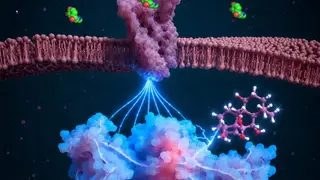
Scientists have developed compounds that directly target β-arrestins, proteins that dampen cellular signaling. These laboratory tools may help design more precise medicines with fewer side effects. The advance could also affect how drugs such as Ozempic and Wegovy are understood or improved.
Scientists have created laboratory compounds aimed at β-arrestins, proteins that normally restrain cellular signaling. By acting directly on these braking proteins, the tools give researchers a way to study how signaling is tuned. The compounds are presented as laboratory tools rather than medicines.
Such tools may help drug developers design more precise medicines with fewer side effects. The summary notes possible relevance to understanding or improving medicines such as Ozempic and Wegovy, but it does not specify how. The broader theme is precision: learning to adjust cellular pathways more selectively.
If these tools lead to more precise medicines, patients who need treatments with fewer side effects could benefit, including people using drugs such as Ozempic and Wegovy. Researchers and drug developers may gain a way to study signaling more selectively, which could influence future design choices. The impact remains uncertain because the summary describes laboratory tools, not proven clinical results.