Tooth Proteins Hint at Female-Focused Burial Site for Homo naledi
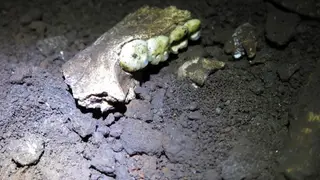
Protein analysis of ancient teeth suggests that many adult Homo naledi fossils in South Africa’s Dinaledi Chamber may be female. The pattern raises the possibility that this extinct human relative used the cave as a burial place for females, which would imply more complex customs than previously assumed. Researchers have long puzzled over the similarity of the adult remains at the site.
Protein evidence from teeth indicates that many adult Homo naledi remains found in South Africa’s Dinaledi Chamber may be female. The finding rests on analysis of ancient dental proteins.
This pattern raises the possibility that the extinct relative used the cave as a burial place for females. If so, the behavior would point to more elaborate customs than had been assumed. Scientists have long noted how similar the adult remains at the site are.
The story could affect how the public and researchers view extinct human relatives, especially interpretations of ritual and social behavior. It may interest archaeologists, paleoanthropologists, and museum audiences, and could shape future discussion of burial practices in human evolution. Because the claim rests on protein evidence and is framed as a possibility, its social impact may depend on further confirmation and how carefully media reports distinguish inference from established fact.