Balkan Tensions Build Around Elections and Protests
This weekly review covers Serbia's parliamentary election during a prolonged political crisis, escalating demonstrations in Albania, unresolved disputes between regional states, and the impact of Kosovo's political deadlock. It also looks at European efforts to improve relations among Balkan countries and asks whether the Berlin Process can help.
Serbia’s 25 October parliamentary vote follows a two-year political and social crisis. The governing Progressive Party and Aleksandar Vucic face eroding support among younger voters, while reports describe pressure on public employees and disruption of an electoral-roll audit.
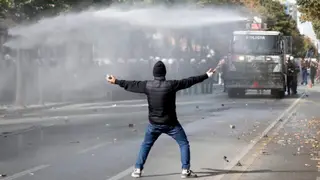
In Albania, student-led demonstrations have intensified, with police clashes and no clear leadership or spokespeople. Protesters seek Prime Minister Edi Rama’s resignation; he says elections should decide. Experts argue security measures alone will not resolve the unrest. Regional talks continue through the Berlin Process amid unresolved bilateral disputes and Kosovo’s political deadlock.
The outcomes may affect Serbian voters and public-sector workers if election disputes deepen distrust in institutions. In Albania, continued unrest could expose students and city residents to further clashes while delaying political remedies. Kosovo’s deadlock and unresolved regional disputes may slow cooperation and economic confidence across the Balkans, though the Berlin Process could create space for dialogue.