Bitcoin Tests October Support as Macro Pressures Mount
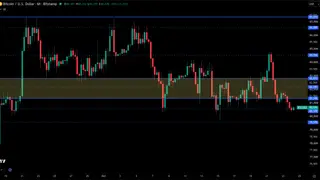
Bitcoin fell below $81,000 after the U.S. close and reached $80,347 early Saturday, down 1.38% from the prior morning. The drop came as Brent crude settled at $116.72, the Dow lost 1.23%, and the 10-year Treasury yield returned to 5%. Spot Bitcoin ETFs had a second consecutive outflow of $137.9 million, while the report also noted changes to Bitcoin Core bug disclosure, Franklin Templeton ETF progress, and Russian bank crypto trading plans.
Bitcoin’s Friday close of $81,078 was its weakest in a week and marked a break of the $81,300 area. Early Saturday it entered the $79,500–$80,500 zone, which had previously halted declines four times, most recently on Oct. 15. A close under $79,500 would bring $76,000–$76,500 into focus.
U.S. spot Bitcoin funds withdrew $137.9 million, extending a run of outflows. The same report noted Bitcoin Core’s revised bug-disclosure approach, Franklin Templeton’s dividend-reinvestment Bitcoin ETFs clearing a final regulatory step, and Russia’s two biggest banks scheduling retail crypto trading.
Bitcoin’s slide toward support could weigh on retail holders and crypto-linked businesses, while ETF outflows may reduce confidence among institutional and individual investors. Higher oil and Treasury yields may also pressure household budgets and borrowing costs, potentially making riskier assets less appealing. The disclosure and access developments may shape trust and participation over time, but their effects remain uncertain.