Starship Flight 15 Targeted for November 12 in Historic Tower Catch Attempt
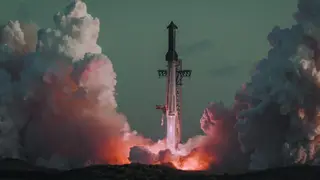
SpaceX aims to launch Starship Flight 15 on November 12, pending FAA approval, marking the first attempt to catch both the Super Heavy booster and the upper stage Ship 42 at the launch tower. The static fire test of both stages has been successfully completed, validating readiness. This mission represents a major step toward reusable rocket technology and could enable frequent future launches from Starbase.
SpaceX aims to launch Starship Flight 15 on November 12, 2026, pending final FAA approval, marking the first attempt to catch both the Super Heavy booster and the upper stage Ship 42 at the Starbase, Texas launch tower. This follows a successful static fire test of both stages conducted on October 26–28, 2026, confirming vehicle readiness. The mission builds on Flight 14’s success in achieving stable low Earth orbit and deploying the first batch of Starlink V3 satellites. Unlike previous flights, Flight 15 will require a new FAA license to permit recovery of the upper stage via tower catch—an unprecedented move that could revolutionize rocket reusability. SpaceX President Gwynne Shotwell confirmed expectations for return-to-launch-site operations for both stages, while Elon Musk declared Ship 42 “the first tower catch” on X. The company plans to increase launch cadence starting in early 2027, with ambitions to conduct 10,000 Starship launches annually by 2035 from Starbase Louisiana, a $100 billion spaceport expected to open in 2028–2029. Additional infrastructure includes new launch pads at Kennedy Space Center and Cape Canaveral, with Flight 16 likely launching from Florida. Ship 43 has already been moved to Pad 2 at Starbase for fit checks.
The broader context involves SpaceX’s long-term vision for rapid, reusable spaceflight and its critical role in NASA’s Artemis program. On-orbit refueling missions are planned to support Artemis III and IV, with Starship docking Orion
If successful, the tower catch attempt could redefine reusable launch systems by enabling rapid turnaround and reducing reliance on ocean recovery or land-based landing zones. This could lower costs and increase access to space for commercial, scientific, and governmental users—potentially accelerating satellite constellations like Starlink and deep-space missions. The FAA’s regulatory role becomes pivotal: its approval may set a precedent for how future heavy-lift vehicles are licensed, influencing not just SpaceX but competitors like Blue Origin. Historically, the shift from expendable to reusable rockets began with Falcon 9’s first successful landing in 2013; if Starship achieves consistent tower catch, it could mark a similar inflection point. However, risks remain—mechanical failure, regulatory delays, or technical setbacks could delay Artemis IV and strain NASA’s lunar timeline. The broader impact may extend to global space policy, as nations reassess launch licensing frameworks.