SpaceX prepares for Starship Flight 15 with key milestones ahead
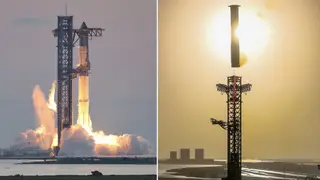
SpaceX plans an integrated flight test of its Starship rocket in November 2026, aiming to advance the vehicle's performance and reliability. The mission will focus on testing critical systems including ascent, stage separation, and re-entry. Success could accelerate the timeline for future crewed missions and deep-space exploration.
SpaceX is preparing for an integrated flight test of its Starship rocket, scheduled for November 2026. This mission, designated Flight 15, represents a critical milestone in the development of the Starship system, aiming to validate key operational phases such as ascent, stage separation, and re-entry under real-world conditions. The company has not yet disclosed specific launch site details or vehicle configuration updates, but the test is expected to build on lessons learned from prior flight attempts. Success in this phase could significantly enhance the vehicle’s performance and reliability, laying the groundwork for future crewed missions and deep-space exploration endeavors.
The path to Flight 15 follows a series of earlier tests that have progressively refined the Starship system, including previous uncrewed flights focused on testing specific subsystems. These prior efforts have informed design adjustments and operational protocols, reflecting SpaceX’s iterative development approach. The company’s long-term goal is to create a fully reusable transportation system capable of supporting lunar landings, Mars missions, and other interplanetary activities. While no crewed flights are currently planned for this test, the success of Flight 15 may influence timelines for future human spaceflight certification by regulatory bodies.
SpaceX, led by Elon Musk, is the primary organization driving this effort, with a clear objective to establish Starship as a reliable and cost-ef
The successful execution of Starship Flight 15 could accelerate the pace of human expansion beyond low Earth orbit, potentially reshaping how space agencies and private companies approach lunar and Martian missions. If validated, Starship’s reusability may lower launch costs significantly, making deep-space travel more accessible to a wider range of stakeholders, including scientific institutions and commercial ventures. This could stimulate innovation in space-based manufacturing, satellite deployment, and even space tourism. A comparable precedent is the development of the Space Shuttle in the 1980s, which initially promised cost reductions but faced delays and high maintenance costs—Starship’s success may avoid similar pitfalls if reliability is proven. Society may see increased public engagement with space exploration as milestones like Flight 15 generate media attention and inspire STEM education. However, regulatory bodies, insurers, and neighboring communities near launch sites