SpaceX Readies for Classified U.S. Space Force Launch from California
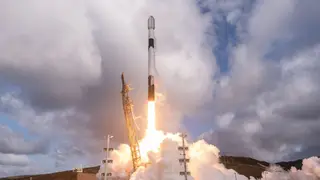
SpaceX is set to launch the classified USSF-432 mission from Vandenberg Space Force Base on November 2, using a Falcon 9 rocket with a previously flown first stage booster. The launch window opens at 5:42 pm PT, with potential sonic booms reported for residents in parts of California. No details about the payload are being released, continuing a pattern seen in recent classified missions.
SpaceX is preparing to launch the classified USSF-432 mission on November 2 from Vandenberg Space Force Base’s Space Launch Complex 4E in California, with a launch window opening at 5:42 pm PT and a backup opportunity on November 3. The Falcon 9 rocket will carry an undisclosed payload using a previously flown first stage booster that has already completed seven prior missions, including GPS III-8 and six Starlink launches. After stage separation, the booster is expected to land on the droneship “Of Course I Still Love You” in the Pacific Ocean. Residents in Santa Barbara, San Luis Obispo, and Ventura counties may experience sonic booms during ascent. The launch follows a similar classified mission, USSF-481, launched on October 16 with a first stage booster that had flown 28 times—highlighting SpaceX’s growing reuse of hardware for high-stakes national security missions. No details about the payload or orbital parameters have been disclosed, continuing a pattern seen in recent U.S. Space Force launches. The company has also scheduled another Falcon 9 launch on November 6 to deploy 27 Starlink satellites, using a different reused booster. As of October 31, SpaceX had completed 118 Falcon 9 missions in 2026, including the 18th flight of one particular first stage, and the Starlink constellation now exceeds 11,000 operational satellites. The upcoming Starship Flight 15 is pending FAA approval for a November 12 launch.
The secrecy surrounding USSF-432 reflects broader trends in U.S. military space operations, where rapid launch cadence and hardware reuse are prioritized over transparency. This mission could signal continued reliance on commercial providers like SpaceX to deliver sensitive payloads with minimal public oversight—a model that may influence future defense contracting and space policy. The potential sonic booms affecting coastal California residents highlight the societal trade-offs of frequent launches: convenience for satellite internet and national security comes at the cost of localized disruptions. Comparable to the early days of classified Cold War-era satellite missions, today’s launches are increasingly routine yet still shrouded in secrecy, raising questions about accountability and public awareness. As SpaceX expands its role in national defense, the line between commercial innovation and military infrastructure blurs—potentially affecting regulatory scrutiny, international perc