Philippines Finalizing $800 Million Deal for Additional BrahMos Missiles Amid Regional Tensions
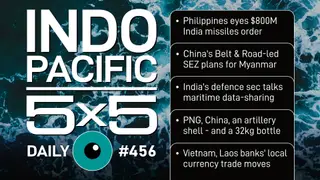
The Philippines is nearing a $700 million to $800 million agreement with India for an additional five BrahMos supersonic missile systems, enhancing its defense capabilities amid rising tensions in the South China Sea. This follows a prior $375 million contract signed in 2022 and reflects growing military cooperation between the two nations. The BrahMos system, jointly developed by India and Russia, is capable of being deployed from land, sea, and air platforms.
The Philippines is finalizing a $700 million to $800 million deal with India for five additional BrahMos supersonic cruise missile systems, according to Reuters reports from November 2026. This follows a prior $375 million contract signed in 2022, marking the second major export of the BrahMos system beyond India’s borders. The new acquisition includes nearly 60 missiles and is expected to expand Manila’s existing arsenal, which was initially deployed for naval use. The systems, jointly developed by India and Russia, are capable of being launched from land, sea, and air platforms, offering strategic flexibility. The negotiations come amid heightened tensions in the South China Sea, where the Philippines has increasingly sought advanced defense capabilities to counter regional assertiveness. Philippine Defense Secretary Teodoro confirmed that Manila had submitted a wish list to Indian authorities to tailor the system’s integration into its military doctrine. India’s Ministry of Defence and the BrahMos Aerospace Corporation are central to the transaction, with delivery timelines likely to align with ongoing fulfillment of the 2022 contract. The outcome remains pending final agreement, but the deal signals deepening defense ties between New Delhi and Manila.
The Philippines’ move could signal a broader shift in regional military alignment, particularly as it seeks to balance deterrence against China while maintaining diplomatic engagement. With India expanding its defense exports beyond traditional partners, this deal may encourage other Indo-Pacific nations to consider similar acquisitions, potentially reshaping arms procurement dynamics. The BrahMos system’s supersonic speed and multi-platform deployment make it a significant capability upgrade, especially for island states vulnerable to maritime coercion. However, the escalation of military hardware in contested waters may heighten tensions, possibly prompting retaliatory measures or counter-capabilities from other regional actors. A comparable precedent is India’s earlier export of the Akash missile system to Vietnam, which similarly aimed to bolster defense cooperation amid strategic uncertainty. What remains uncertain is whether this acquisition will be matched by broader multilateral security coordination or lead to unilateral posturing. The next phase will likely involve public scrutiny in both countries, potential arms control concerns from neutral states, and monitoring of how the systems are integrated into joint exercises or deterrence strategies.