U.S. Faces Official Loss of Measles Elimination Status Amid Surge in Cases
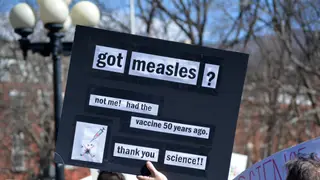
The United States is on the verge of losing its long-held measles elimination status due to a significant resurgence of the disease, with over 5,000 confirmed cases reported in 2026 alone. The Pan American Health Organization (PAHO) is set to review the country's status during its annual meeting, citing sustained transmission across nearly every state and eight associated deaths. Experts warn this marks a major public health setback, reversing progress made since measles was declared eliminated in 2000.
The United States is on the verge of losing its official measles elimination status, a designation it held since 2000 after interrupting endemic transmission for one year. In 2026 alone, the CDC has confirmed 5,182 cases—more than double the 2,289 reported in 2025 and vastly exceeding the 285 cases in 2024—with outbreaks now present in nearly every state and eight deaths linked to the disease. The Pan American Health Organization (PAHO) is set to review the country’s status during its annual meeting from November 10 to 13, 2026, where experts will assess whether sustained transmission has undermined the elimination claim. This would mark a major reversal in public health progress, as measles was once considered eradicated within U.S. borders due to high vaccination rates and effective containment protocols. The decline in MMR vaccine coverage—falling from 95.2% in 2020 to 92.4% in 2026—has eroded herd immunity, with 18 states reporting rates below 90%, including Idaho at just 75.2%. Alarmingly, over 40% of 2026 cases involved individuals aged 20 and older, many of whom were unvaccinated or had unknown vaccination status, highlighting gaps in childhood immunization. Public health experts like Elizabeth Jacobs and Michael Osterholm attribute the crisis to years of declining vaccine confidence, exacerbated by misinformation spread through social media and leadership under Robert F. Kennedy Jr., who has been criticized for undermining vaccine credibility despite recommending MMR at times. The Department of Health and Human Services has not responded to inquiries. What remains unresolved is whether PAHO will formally revoke the elimination status, though experts believe this would merely formalize a reality already evident on the ground.
The resurgence of measles in the U.S. could have far-reaching consequences beyond immediate health risks, particularly for vulnerable populations such as infants too young for vaccination, immunocompromised individuals, and communities with low access to healthcare. The erosion of herd immunity may lead to increased hospitalizations, strain on public health infrastructure, and higher long-term costs for outbreak control. Schools and childcare centers may face renewed disruptions, while travel and international health cooperation could be affected, especially as PAHO’s decision may influence global perceptions of U.S. public health leadership. A comparable precedent is the 2019 measles outbreak, which saw over 1,200 cases and highlighted how localized vaccine hesitancy can spark widespread transmission. This current crisis may signal a broader trend of declining trust in science-based public health policy, potentially affecting future responses to other infectious diseases. The role of social media in amplifying anti-vaccine narratives remains a critical concern, with implications for digital platform accountability. What to watch for includes whether PAHO’s decision triggers renewed federal action on vaccination campaigns, potential state-level mandates, and how the Biden administration might respond if the status is revoked—especially given ongoing political debates over health policy. The situation could also influence vaccine acceptance in other high-income nations facing similar challenges.