Ukrainian forces conduct middle-range strike on Russian drone facility at Donetsk Airport
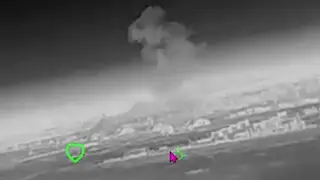
The 412th Brigade of Ukraine’s Unmanned Systems Forces conducted a middle-range strike on a Russian-operated drone port at the occupied Donetsk Airport, aiming to destroy infrastructure used for launching attacks. The operation, part of ongoing efforts to reduce enemy drone activity over Ukrainian cities, targeted the airport located about 40 kilometers from Ukrainian-controlled territory. This follows recent strikes on missile production facilities and energy infrastructure in Russia’s Rostov Oblast and near St. Petersburg.
On November 10, 2026, Ukraine’s 412th Brigade of the Unmanned Systems Forces conducted a middle-range strike on a Russian-operated drone port at Donetsk Airport, an installation located approximately 40 kilometers from Ukrainian-controlled territory. The operation targeted infrastructure used to launch drones for attacks on Ukrainian cities, marking a strategic shift toward preemptively dismantling enemy launch capabilities rather than solely intercepting drones after deployment. This follows a series of recent strikes in Russia’s Rostov Oblast and near St. Petersburg, including an attack on the Morozov plant—known for producing fuel for Iskander ballistic missiles—on November 9, which reportedly damaged three production workshops simultaneously. On November 8, drone strikes also disrupted energy infrastructure and a bridge in Rostov Oblast, causing blackouts and traffic closures. The 412th Brigade’s action reflects Ukraine’s broader campaign to degrade Russia’s ability to sustain prolonged military operations by targeting logistics and production nodes deep within occupied or Russian territory.
The background to this escalation lies in the ongoing conflict since 2014, when Russian forces and proxies seized control of Donetsk Airport. Since then, it has served as a key operational hub for drone launches into Ukrainian regions. Ukraine’s military strategy has evolved from defensive responses to proactive strikes aimed at disrupting supply chains and infrastructure. The General Staff emphasizes that each strike against missile production or drone facilities “makes it more difficult” for Russia to sustain attacks on Ukrainian cities. Key actors include Ukraine’s Unmanned Systems Forces, which execute precision strikes, and the Russian military command, which relies on these facilities to maintain offensive capabilities. What remains unresolved is whether this campaign will force a strategic shift in Russian deployment or provoke retaliatory escalation. The long-term effectiveness of such deep strikes—and their impact on civilian infrastructure in occupied zones—remains uncertain.
The strike on Donetsk Airport underscores Ukraine’s growing capacity to conduct precision operations far behind enemy lines, potentially altering the dynamics of the conflict by increasing the risk for Russian military assets and logistics hubs. Civilians in both Ukrainian-controlled areas and occupied regions may face heightened instability, as infrastructure destruction could disrupt essential services and fuel humanitarian crises. The targeted damage to energy and transport systems in Rostov Oblast may ripple into regional economies, affecting supply chains and industrial output. Comparable to the 2022 strikes on Russian military infrastructure during the early phase of the invasion, this pattern suggests a maturing strategy focused on systemic disruption rather than territorial gains. However, such actions could also escalate retaliatory measures or prompt greater investment in hardened facilities by Russia. What may follow includes intensified cyber and drone warfare, possible shifts in Russian troop deployment, or increased international scrutiny over collateral damage. Monitoring the response from both sides—and any changes in civilian displacement or aid access—will be critical in assessing the broader implications of this evolving campaign.