Marco Rubio Defends Trump’s Iran Policy During G7 Summit in Paris
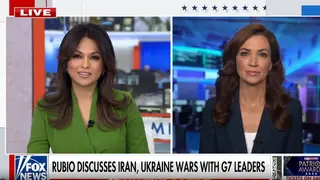
Senator Marco Rubio defended Donald Trump’s foreign policy approach toward Iran during the G7 summit in Paris. He emphasized strategic deterrence and regional alliances as central pillars of U.S. posture. The remarks highlighted ongoing coordination among Western allies on Middle East security.
At the 2025 G7 summit in Paris, U.S. Senator Marco Rubio publicly endorsed former President Donald Trump’s foreign policy toward Iran, emphasizing a strategy rooted in strategic deterrence and strengthened regional alliances. His remarks came amid heightened tensions in the Middle East and ongoing Western coordination on security matters, though no new policy announcements were made during the summit. Rubio’s defense focused on maintaining pressure through sanctions and military readiness, framing Trump’s 2018 decision to withdraw from the Iran nuclear deal (JCPOA) as a necessary shift toward a more assertive posture. While specific details about current U.S.-Iran negotiations or intelligence assessments were not disclosed in the report, Rubio’s comments reflect a broader ideological stance within certain Republican circles favoring confrontation over diplomacy. The event referenced in the caption—155 shell bodies prepared for shipment at General Dynamics in Scranton, Pennsylvania, on August 20, 2025—suggests continued military production tied to regional defense needs, though no direct link to Iran policy was stated. The individuals listed under “Chemistry of Combat” appear to be defense or energy sector experts involved in a 2026 event focused on rebuilding America’s energetics base, indicating long-term planning for military readiness. What remains unclear is whether Rubio’s remarks represent an official shift in current U.S. policy or merely a political statement ahead of future elections. The extent of coordination among G7 members on Iran-specific measures and the role of non-U.S. allies in shaping strategy are not detailed.
Rubio’s defense of Trump-era Iran policy could influence how Western alliances approach strategic deterrence in volatile regions, potentially reinforcing military readiness while complicating diplomatic pathways. If adopted more broadly, such a stance may affect global arms markets, particularly for munitions and defense technology, as seen in the production of 155mm shells noted in Scranton. The emphasis on regional alliances might strengthen partnerships with Gulf states but could also deepen regional divisions if perceived as provocative by Iran or its allies. A comparable precedent is the U.S.-led coalition during the Iraq War, where a confrontational posture led to long-term instability despite initial military success. In this case, the focus on deterrence may delay negotiations, increasing risks of miscalculation. The upcoming 2026 event on America’s energetics base suggests sustained investment in defense infrastructure, which could signal preparedness for prolonged regional conflicts. What to watch for includes whether current administration officials will align with Rubio’s framing or pursue a more conciliatory approach, and how European allies respond to U.S. hardline rhetoric—especially as energy and security policies intersect in an era of shifting global power dynamics.