Trump’s Asia Tour Signals New U.S. Approach to China and Regional Alliances
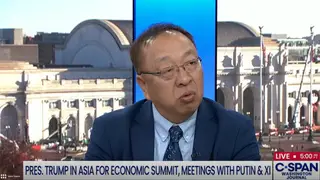
President Trump’s recent diplomatic tour of Asia has underscored a renewed focus on strengthening alliances in the Indo-Pacific while pressing China on trade and security issues. The trip included high-level meetings with Japan, South Korea, and Australia, signaling a shift toward more assertive engagement. The administration emphasized deterrence and economic resilience in response to Beijing’s regional ambitions.
President Trump’s recent diplomatic tour of Asia marked a significant moment in U.S. foreign policy, focusing on reinforcing strategic partnerships across the Indo-Pacific region. The trip included high-level meetings with leaders from Japan, South Korea, and Australia—key U.S. allies in the region—where the administration emphasized a more assertive posture toward China. These engagements centered on shared concerns over Beijing’s growing regional influence, particularly in maritime disputes and economic competition. While specific dates and locations within the tour are not detailed, the consistent emphasis on deterrence and economic resilience reflects a broader shift in American strategy. The administration’s messaging underscored a desire to counterbalance China’s ambitions through stronger military coordination and trade policies aimed at reducing dependency on Chinese supply chains.
This pivot builds on earlier U.S. efforts to re-engage with allies in the region, particularly under the Obama and Biden administrations, which also prioritized the Indo-Pacific. However, Trump’s approach appears more transactional and confrontational, aligning with his broader foreign policy style. The emphasis on trade and security issues suggests a dual-track strategy: strengthening alliances while pressuring China on economic practices and military posturing. The involved nations—Japan, South Korea, and Australia—are all seeking to maintain strategic autonomy while balancing their economic ties with China and their security commitments to the United States. What remains unclear is how these new diplomatic overtures will translate into concrete policy changes, such as new defense agreements or trade adjustments, and whether China will respond with diplomatic or economic countermeasures.
Trump’s Asia tour could reshape regional dynamics by reinforcing U.S. military and economic presence in the Indo-Pacific, potentially influencing defense spending and trade patterns across the region. Countries like Japan and South Korea may accelerate efforts to diversify supply chains and enhance defense capabilities, while Australia could see renewed interest in joint military exercises. The economic implications may ripple through global markets, particularly in sectors reliant on Asian manufacturing and logistics. This approach may mirror the strategic realignment seen during the Cold War era, when U.S. alliances in Europe and Asia were solidified to counter Soviet influence. However, unlike that period, today’s challenge is more complex due to deep economic interdependence with China. What remains uncertain is whether this assertive diplomacy will foster greater regional stability or increase the risk of escalation. The next steps—such as follow-up agreements, military deployments, or trade negotiations—will be critical indicators of whether this shift is sustainable or a temporary policy signal.