Ukrainian drones strike major oil refinery in Volgograd and industrial site in Rostov-on-Don
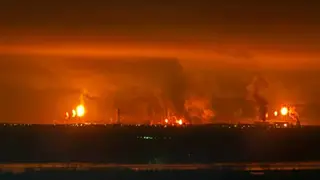
Ukrainian forces launched a drone attack overnight on November 12–13, setting fire to the Lukoil-Volgogradneftepererabotka oil refinery in Volgograd and damaging a production facility in Rostov-on-Don. The strikes occurred shortly after trilateral peace talks in Abu Dhabi and are part of Ukraine’s ongoing effort to disrupt Russian military infrastructure and energy revenues. Volgograd’s regional governor confirmed a massive attack, while Rostov Oblast’s governor reported fires and drone debris damage to residential areas.
On the night of November 12–13, 2026, Ukrainian forces launched a coordinated drone assault targeting critical industrial infrastructure in southern Russia, specifically the Lukoil-Volgogradneftepererabotka oil refinery in Volgograd and a production facility in Rostov-on-Don. The attack on the Volgograd refinery, one of Russia’s largest with an annual processing capacity of 15 million metric tons, resulted in massive fires and explosions, as confirmed by regional governor Andrey Bocharov. Eyewitness videos showed flames illuminating the night sky and active Russian air defense systems responding to the strikes. In Rostov-on-Don, Governor Yury Slyusar reported fires at a production facility and warehouse, with drone debris damaging a residential building. This attack followed earlier strikes on the same facilities—on October 2 in Volgograd and November 8 in Rostov-on-Don—and coincided with Ukrainian drone attacks on Moscow that disrupted airport operations. The timing is notable: it occurred just after trilateral peace talks in Abu Dhabi, suggesting a strategic message or escalation during diplomatic efforts. Ukraine’s Special Operations Forces (SSO) had previously claimed a strike on Russia’s Omsk oil refinery, the country’s largest, reinforcing a pattern of targeting energy infrastructure to undermine Moscow’s war economy. The attacks reflect Ukraine’s broader strategy of disrupting Russian military logistics and energy revenues by focusing on high-value industrial sites.
The strikes could intensify civilian hardship in southern Russia, where gas shortages and power outages may worsen due to damaged energy infrastructure. Residents in Volgograd were seen lining up at gas stations amid fuel restrictions, indicating immediate disruptions to daily life. The damage to residential areas in Rostov-on-Don raises concerns about collateral impact on non-combatants, potentially affecting public trust in local authorities and increasing pressure on Russia’s military-industrial complex. These attacks may also influence regional markets, particularly in energy and logistics, as supply chains face repeated disruptions. A comparable earlier case is the 2022 series of drone strikes on Russian oil facilities, which contributed to global oil price volatility and prompted increased defensive measures. The current pattern suggests a sustained campaign that could strain Russia’s ability to maintain energy exports or domestic fuel distribution. What remains unclear is whether Ukraine intends to escalate further into central Russia or if these attacks are part of a broader deterrence strategy during diplomatic pauses. Monitoring future developments in Russian response—such as retaliatory strikes, expanded air defenses, or shifts in energy policy—will be crucial to understanding the trajectory of this conflict’s economic and humanitarian dimensions.