Supreme Court Agrees to Hear Challenge Over Trump-Era Asylum Access Suspension at Border
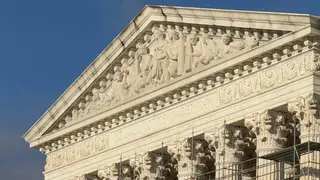
The Supreme Court has granted review in Mullin v. Refugee and Immigrant Center for Education and Legal Services, a case testing whether the Trump administration can suspend asylum access for immigrants at the U.S.-Mexico border. The decision marks the latest development in ongoing legal battles over immigration policy. The Court will hear arguments during its December session, beginning Nov. 30.
The Supreme Court has agreed to hear Mullin v. Refugee and Immigrant Center for Education and Legal Services, a case challenging the Trump administration’s suspension of asylum access for immigrants arriving at the U.S.-Mexico border. The Court will consider whether federal authorities can legally bar individuals from seeking asylum when they cross the border without prior authorization, a policy implemented during the Trump era. The case was scheduled to be argued during the December session, beginning November 30, 2026, following the justices’ decision in a private conference on Friday, November 16. The Court’s docket now includes this high-stakes immigration case alongside Robinhood Markets, Inc. v. Sodha, a securities law dispute involving an IPO disclosure issue.
The legal challenge centers on whether the administration’s actions violated statutory provisions governing asylum eligibility under U.S. immigration law. The Refugee and Immigrant Center for Education and Legal Services (RAICES), representing affected immigrants, argues that the suspension undermines long-standing legal protections and creates dangerous conditions at the border. Meanwhile, the government maintains that the policy was necessary to manage border security and prevent abuse of the asylum system. This case builds on prior rulings that have shaped the interpretation of asylum rights, though no definitive precedent exists on the scope of executive authority to suspend access entirely.
What remains unresolved is whether the Court will uphold or strike down the administration’s policy, potentially setting a precedent for future immigration enforcement. The outcome could influence how courts interpret the balance between national security and humanitarian obligations in immigration law. The final decision may also affect the broader legal landscape surrounding federal agency authority during times of crisis.
The Supreme Court’s decision to hear Mullin v. RAICES could significantly shape how asylum seekers are treated at the U.S.-Mexico border, with potential ripple effects on migration patterns, humanitarian organizations, and federal policy implementation. If the Court upholds the suspension, it may embolden future administrations to restrict access to asylum under broad national security justifications, possibly deterring vulnerable individuals from seeking protection. Conversely, a ruling against the policy could reinforce judicial oversight of executive power in immigration matters, reinforcing legal protections for migrants. This case may mirror earlier decisions like Zadvydas v. Davis (2001), where the Court limited indefinite detention of non-citizens, highlighting the judiciary’s role in constraining executive overreach. The outcome could also influence how lower courts handle similar challenges, affecting thousands of pending asylum cases. Legal advocates and advocacy groups will likely monitor the decision closely for signs of shifting judicial attitudes toward immigration enforcement. What to watch for next is whether the Court issues a narrow or broad ruling—either could signal broader trends in constitutional interpretation regarding civil rights and administrative authority.