Meyer Shank Racing's 2026 IndyCar campaign ends with strong finish but missed points
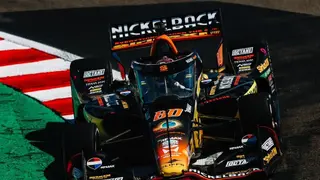
Felix Rosenqvist secured Meyer Shank Racing’s second Borg-Warner Trophy in the closest Indy 500 finish in history, highlighting a standout moment in the team’s 2026 season. Despite this achievement, reliability issues and several missed opportunities prevented both MSR entries from finishing in the top eight of the points standings. The season underscored both the team’s competitiveness and persistent mechanical challenges.
Felix Rosenqvist secured Meyer Shank Racing’s second Borg-Warner Trophy in the 2026 Indianapolis 500, marking the closest finish in the race’s history. This achievement stands as the season’s most notable moment for the team, highlighting their competitive edge despite broader struggles. The 2026 campaign saw both MSR entries fail to secure a top-eight finish in the overall points standings, primarily due to reliability issues and missed opportunities across the season. While Rosenqvist’s victory at Indy underscored the team’s potential, it was not enough to translate into sustained championship contention. The team’s performance reflects a recurring theme: strong showings in individual events contrasted with inconsistent reliability over the full season. Meyer Shank Racing, known for its technical innovation and strategic focus, appears to have made progress in race-day execution but continues to grapple with mechanical durability under pressure. The outcome may influence future investment decisions, team staffing, or engineering priorities as the organization prepares for 2027.
The narrow margin of victory at the 2026 Indy 500 could amplify fan engagement and media coverage around reliability in high-stakes motorsport, where a single mechanical failure can erase a competitive season. For teams like Meyer Shank Racing, such outcomes may prompt deeper scrutiny from sponsors and investors who prioritize consistent performance over isolated triumphs. The broader IndyCar series may see increased emphasis on engineering standards and long-term durability testing, especially as manufacturers seek to balance speed with reliability. A comparable precedent exists in the 2015 Formula 1 season, when Red Bull Racing’s dominance was tempered by reliability issues that ultimately cost them the championship despite multiple wins. This year’s result could signal a shift toward more holistic performance metrics in motorsport evaluation. What remains uncertain is whether MSR will adjust its technical strategy or continue refining race-day execution while addressing underlying mechanical weaknesses—this may become clearer during off-season development and testing cycles.