Zelensky urges Western allies to swap interceptors for newer Ukrainian missiles and deliver 40 additional F-16s
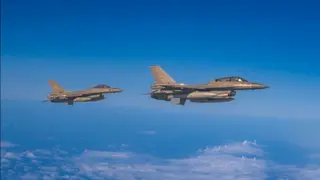
President Volodymyr Zelensky called on Western partners to exchange interceptor missiles—needed to counter Russian drone and missile attacks—for newer, more advanced missiles Ukraine has ordered. He emphasized that the arrangement is a trade, not a donation. Additionally, he requested 40 more F-16 fighter jets, citing high maintenance time and low operational availability of current aircraft. Ukraine currently operates around 39 F-16s, with plans to expand its fleet by 2030 through additional Mirage and Gripen jets.
On November 17, 2026, Ukrainian President Volodymyr Zelensky addressed Western allies during an online session linked to the Ramstein-format meeting, urging a strategic shift in military aid delivery. He proposed a direct exchange: Western nations would supply Ukraine with interceptor missiles—critical for defending against escalating Russian drone and ballistic missile attacks—in return for newer, more advanced missiles that Ukraine has already ordered but not yet received. Zelensky emphasized this is not a donation but a trade, highlighting Kyiv’s need for immediate defensive capabilities. At the same time, he requested 40 additional F-16 fighter jets, citing that current aircraft spend excessive time in maintenance rather than in combat readiness. Ukraine currently operates around 39 F-16s, acquired starting in July 2024 through a coalition led by Denmark and the Netherlands. These jets serve dual roles in both air defense and offensive strikes. By 2030, Ukraine aims to expand its fleet to between 96 and 129 aircraft, including French Mirage and Swedish Gripen models. The acquisition of these additional jets remains a priority, with Zelensky urging European partners to act swiftly, especially since Mirage aircraft could be operational immediately. The request reflects ongoing challenges in sustaining air power amid persistent Russian attacks and logistical strain.
Zelensky’s call for weapon exchanges and expanded F-16 deliveries could influence the pace and structure of Western military support, potentially reshaping how allies approach defense aid in protracted conflicts. If adopted, such a model might encourage more flexible, reciprocal arrangements in future arms transfers, particularly in high-intensity wars where supply chains are strained. The emphasis on operational readiness—highlighting maintenance bottlenecks—may prompt Western nations to reassess not just quantity but also sustainment and training support. Comparable to earlier U.S. military aid packages during the Cold War or the 2003 Iraq War, this approach reflects a shift from one-way donations to strategic partnerships. However, the feasibility of such exchanges remains uncertain, as it depends on the availability of newer missiles and political will among donor nations. What may follow is a deeper integration of Ukrainian defense procurement into Western supply networks, possibly affecting arms markets and defense industry planning. The next phase will likely involve negotiations over technical specifications, delivery timelines, and the long-term implications for NATO’s collective defense posture.