Trump, Xi, and Putin Hold High-Stakes Meeting Amid Shifting Global Power Dynamics
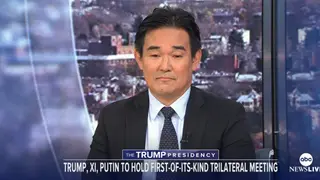
A recent summit between U.S. President Donald Trump, Chinese leader Xi Jinping, and Russian President Vladimir Putin has sparked international debate over the evolving balance of global influence. The meeting, held in an undisclosed location, focused on strategic cooperation and competition amid rising geopolitical tensions. Analysts suggest the gathering signals a new phase in great-power relations, particularly concerning military and economic alliances.
A recent summit involving U.S. President Donald Trump, Chinese leader Xi Jinping, and Russian President Vladimir Putin has drawn global attention amid shifting dynamics in international relations. The meeting, held in an undisclosed location, marked a rare direct engagement among the leaders of the three most influential nations in the world today. While no official details have been released about the agenda, the gathering centered on strategic cooperation and competition, particularly in the realms of military posture and economic alliances. The absence of a public venue or statement underscores the sensitivity of the discussions and hints at the delicate nature of the dialogue.
The context for this high-level meeting lies in the growing geopolitical tensions that have defined recent years, including trade disputes, military posturing in contested regions, and competing visions for global governance. The convergence of these three leaders signals a recalibration of power, potentially reflecting a move toward a multipolar world order where traditional U.S. dominance is being challenged. Each leader likely seeks to advance their nation’s strategic interests—Trump may prioritize economic leverage and security assurances, Xi may aim to solidify China’s role as a global power, and Putin may seek to strengthen Russia’s international standing amid sanctions and isolation.
What remains unclear is the outcome of the discussions, the extent of any agreements reached, or the follow-up mechanisms. The lack of transparency raises questions about accountability and the potential for future friction. It is also not known whether other nations were consulted or if this meeting represents a broader shift in diplomatic engagement or a one-off event. The next steps—whether further summits, policy adjustments, or shifts in alliances—remain uncertain and will likely depend on how each nation interprets the results.
The summit could signal a reconfiguration of global power dynamics, with implications for international security, trade, and diplomatic norms. If the three leaders have aligned on key issues, it may lead to reduced military tensions in certain regions, though it could also embolden authoritarian tendencies by validating non-Western models of governance. Markets may react to perceived shifts in alliance stability, particularly in energy, technology, and supply chains, where U.S.-China rivalry has already driven decoupling efforts. A comparable precedent is the 1972 Nixon-Mao meeting, which reshaped Cold War geopolitics by opening relations between the U.S. and China. While the current summit lacks that historical precedent’s transformative clarity, it may similarly mark a turning point in how great powers engage. What to watch for next is whether this meeting leads to formalized cooperation, new joint initiatives, or simply a pause in adversarial rhetoric. The long-term impact may depend on whether such high-level dialogue translates into tangible policy changes or remains symbolic.