Trump, Xi, and Putin Set for Unprecedented Trilateral Summit
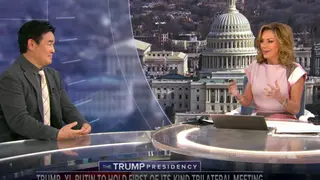
In a landmark development, U.S. President Donald Trump, Chinese President Xi Jinping, and Russian President Vladimir Putin are scheduled to hold their first-ever trilateral meeting. The summit aims to address global security, economic cooperation, and nuclear arms control amid rising international tensions. The meeting marks a significant shift in multilateral diplomacy, drawing attention from global policymakers and security experts.
In a historic diplomatic move, U.S. President Donald Trump, Chinese President Xi Jinping, and Russian President Vladimir Putin are set to convene the first-ever trilateral summit. The meeting, scheduled to take place at an undisclosed location, represents a pivotal moment in international relations, bringing together the leaders of the three most influential nations in global politics. The summit’s primary objectives include addressing pressing global security concerns, advancing economic cooperation, and discussing nuclear arms control. This unprecedented gathering underscores a shift toward multilateral engagement amid escalating international tensions, particularly in regions such as Eastern Europe and the Indo-Pacific.
The decision to hold a trilateral summit follows months of indirect diplomatic exchanges and growing calls from global institutions for more coordinated leadership on transnational challenges. While no prior summit of this configuration has occurred, recent developments—including heightened military posturing, trade disputes, and strategic realignments—have created a pressing need for dialogue among the world’s most powerful states. The leaders involved each bring distinct strategic priorities: Trump seeks to stabilize U.S. foreign policy amid domestic political pressures, Xi aims to strengthen China’s global influence and secure economic partnerships, and Putin likely intends to reinforce Russia’s geopolitical leverage and counter Western sanctions.
The outcome of the summit remains uncertain, with no public details on agenda items or expected agreements. What is not yet known includes the duration of the meeting, the presence of senior advisors, or whether any binding commitments will be made. The absence of prior announcements about specific outcomes suggests that the summit may serve more as a confidence-building exercise than a decision-making forum. The international community will be closely monitoring whether this meeting leads to tangible cooperation or remains symbolic.
The trilateral summit could significantly influence global security dynamics, particularly in how major powers manage conflict and competition. If the leaders agree on shared principles for nuclear arms control, it may ease tensions in regions currently under military strain, such as Eastern Europe and the South China Sea. Economically, coordinated policy signals could stabilize global markets, especially in energy and trade, where the three nations play critical roles. However, the absence of detailed commitments means the impact may be more symbolic than transformative in the short term. A comparable precedent is the 1985 Geneva summit between U.S. President Ronald Reagan and Soviet leader Mikhail Gorbachev, which marked a turning point in Cold War diplomacy. While the current summit lacks the same historical weight, it could similarly signal a willingness to engage across ideological divides. The real test will be whether follow-up actions materialize. Stakeholders to watch include international organizations like the UN, financial markets, and regional allies of the three nations, whose policies may shift in response. The next phase will likely involve behind-the-scenes negotiations and public statements, which could either solidify cooperation or expose deep divisions.