Trump Administration Strengthens Export Controls on Advanced Semiconductors to China
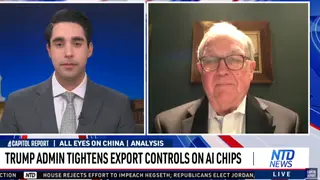
The Trump administration has implemented stricter export controls to limit China’s access to the most advanced semiconductor technologies. The move is framed as a necessary step to protect U.S. technological superiority and national security. Officials argue that previous policies were insufficient in countering China’s growing capabilities in chip manufacturing.
The Trump administration has enacted new export controls restricting the transfer of advanced semiconductor technologies to China. These measures are designed to limit China’s ability to access the most cutting-edge chip manufacturing capabilities, a move framed as essential to preserving U.S. technological leadership and safeguarding national security. While specific details such as exact technologies affected, implementation dates, or enforcement mechanisms are not provided in the available material, the policy reflects a broader strategic effort to counter China’s rapid advancements in semiconductor development. The administration asserts that prior export rules were inadequate in addressing the evolving threat posed by China’s growing domestic chip industry.
The shift follows years of growing concern in Washington about China’s ambitions in high-tech manufacturing, particularly in semiconductors, which are critical to defense systems, artificial intelligence, and telecommunications. Earlier policies, including those under previous administrations, had already begun to restrict certain exports, but officials now argue that more stringent measures are necessary to prevent China from closing the technological gap. The U.S. Department of Commerce and the National Security Council are likely key players in shaping and enforcing these controls, though their specific roles are not detailed here.
What remains unclear is the full scope of the new rules—such as which specific chips or manufacturing equipment are targeted, or whether the restrictions apply to third-party nations. The long-term impact on global semiconductor supply chains, U.S. tech companies’ international operations, and China’s domestic innovation efforts is not yet known. The next steps may include further regulatory guidance, potential legal challenges, or diplomatic responses from China and its allies.
The new export controls could significantly disrupt global semiconductor supply chains, particularly affecting multinational tech firms that rely on cross-border collaboration and manufacturing. U.S. companies may face challenges in maintaining partnerships with Chinese firms or suppliers, while Chinese entities may accelerate efforts to develop fully domestic alternatives—potentially increasing state investment in chip R&D. This could deepen technological decoupling between the U.S. and China, with broader implications for innovation, consumer electronics pricing, and global digital infrastructure. A comparable precedent is the 2018 U.S. ban on Huawei, which restricted American companies from selling components to the Chinese tech giant. That move triggered a cascade of retaliatory measures and accelerated China’s push for self-reliance in semiconductors. Similarly, these new controls may fuel a more entrenched divide in global tech ecosystems. The long-term effect may be a bifurcated technology landscape, with separate standards and supply chains in the U.S.-aligned and Chinese spheres. What to watch for includes how quickly China adapts, whether allies like Japan and the Netherlands adjust their export policies, and whether these measures lead to unintended consequences in global tech innovation.