Sen. Fischer Warns Trump’s Nuclear Strategy Must Address Both China and Russia
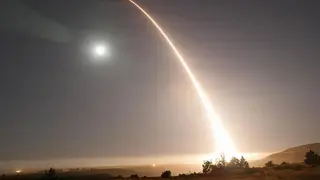
Senator Deb Fischer argues that President Donald Trump cannot effectively deter nuclear ambitions of both China and Russia with a strategy designed solely for one adversary. She highlights that the expiration of the New START Treaty has left the U.S. unprepared for a multipolar nuclear threat, as China rapidly expands its arsenal while Russia remains a key competitor. Fischer stresses the need for a new strategic framework that accounts for both nations’ growing capabilities.
The New START Treaty, originally signed in 2010 between the United States and Russia, expired in 2026 without renewal, marking a pivotal shift in U.S. nuclear strategy. This development occurred amid escalating nuclear capabilities from both Russia and China, with China rapidly expanding its arsenal through new missile silos, advanced delivery systems, and modernization efforts. Russia, meanwhile, has suspended its participation in New START since 2023 and has a history of violating arms control agreements. The bipartisan Congressional Commission on the Strategic Posture of the United States, in a 2023 report, concluded that the current U.S. nuclear force posture is insufficient to meet the dual threat posed by China and Russia. Senator Deb Fischer, chair of the Senate Armed Services Committee’s Strategic Forces Subcommittee, argues that the United States must now develop a new strategic framework that accounts for a multipolar nuclear environment, not the bilateral model of the past. She emphasizes the need to strengthen all three legs of the nuclear triad: modernizing the aging bomber fleet with at least 200 next-generation B-21 stealth bombers (beyond the Air Force’s original plan of 100), ensuring sufficient Columbia-class submarines for second-strike capability, and replacing the 1960s-era Minuteman III ICBMs with the new Sentinel program while maintaining the old system until the transition is complete. The U.S. also needs to expand theater nuclear forces to manage regional escalation risks. Despite diplomatic overtures, neither China nor Russia has shown willingness for meaningful arms control, leaving deterrence as the primary strategic tool.
The expiration of New START and the growing nuclear capabilities of both China and Russia could reshape global security dynamics, particularly in Asia and Europe. U.S. allies such as Japan and South Korea may reconsider their reliance on American nuclear guarantees, potentially increasing pressure for regional nuclearization—though deterrence credibility could prevent that. The U.S. military-industrial complex may benefit from expanded defense spending, especially in stealth bomber production and submarine construction, though delays or cost overruns remain possible. This situation echoes the Cold War arms race, but with a key difference: today’s threat is not just bilateral but multipolar, complicating strategic calculations. The U.S. may face challenges in maintaining technological superiority while managing alliance cohesion. What remains uncertain is whether Congress will approve the necessary funding for expanded nuclear forces, especially amid political debates over defense budgets. The next few years will likely see increased defense spending, more frequent military exercises, and renewed diplomatic efforts—though success is not guaranteed. The outcome could influence global arms control norms, with other nuclear powers potentially following suit.