Solomon Islands Unveils National Strategy to Tackle Climate Change Impacts
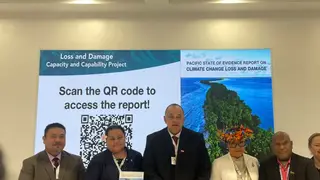
The Solomon Islands has launched a national policy to address the financial and social consequences of climate change, following its participation in a regional initiative. The policy aims to strengthen resilience and support recovery efforts in vulnerable communities. It marks a significant step in the country's efforts to secure international climate finance and adaptation support.
The Solomon Islands has introduced a national strategy to confront the escalating financial and social challenges posed by climate change, marking a pivotal development in its ongoing efforts to adapt to environmental threats. While specific details such as the exact launch date, policy name, or funding mechanisms are not provided, the initiative follows the country’s involvement in a regional climate initiative, suggesting coordinated action across Pacific nations. This policy is designed to enhance the resilience of vulnerable communities and support recovery in areas already experiencing climate-related disruptions, such as coastal erosion, rising sea levels, and extreme weather events. The move underscores the nation’s intent to strengthen its position in international climate negotiations and improve access to climate finance and adaptation support from global donors and multilateral institutions.
The background to this development lies in the increasing vulnerability of small island nations like the Solomon Islands to climate change, a reality underscored by prior international reports and regional agreements. The country’s participation in a regional initiative implies collaboration with neighboring states and organizations such as the Pacific Islands Forum or the United Nations Framework Convention on Climate Change (UNFCCC), which have long emphasized adaptation planning for low-lying island states. Key actors include the Solomon Islands government, which seeks to institutionalize climate resilience, and international bodies that provide funding and technical assistance. What remains unclear is the extent of domestic implementation capacity, the timeline for policy rollout, or how success will be measured. The next steps likely involve securing commitments from international partners and integrating the strategy into national development planning.
This national strategy could significantly influence how climate-vulnerable communities in the Solomon Islands prepare for and respond to environmental shocks, potentially improving long-term livelihoods and reducing displacement risks. By formalizing adaptation goals, the government may unlock greater access to climate finance, which could bolster infrastructure, agriculture, and health systems in at-risk areas. The ripple effects may extend to regional cooperation, as other Pacific nations observe the strategy’s development and consider similar frameworks, possibly strengthening collective advocacy at global climate forums. A comparable precedent is the 2015 Paris Agreement, where national climate plans (NDCs) became catalysts for international funding and accountability. However, unlike that case, the Solomon Islands’ strategy lacks public details on funding sources or enforcement mechanisms, raising questions about its real-world impact. What to watch for next is whether the government can translate the policy into tangible projects and whether international partners will follow through on promised support.