Singapore Donates $500,000 to Boost Pacific Climate Resilience
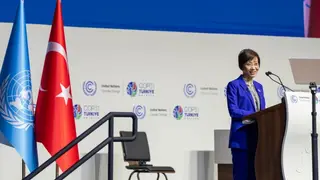
Singapore has committed $500,000 to a regional financing facility aimed at enhancing climate resilience in Pacific communities. The contribution supports adaptation projects and infrastructure development in vulnerable island nations. The pledge reflects growing international support for climate action in the Pacific region.
Singapore has pledged $500,000 to a regional financing facility dedicated to strengthening climate resilience in Pacific island nations. The contribution is intended to support adaptation initiatives and infrastructure development in communities particularly vulnerable to climate change impacts such as rising sea levels, extreme weather, and coastal erosion. While the specific names of the recipient nations or projects are not detailed in the available information, the focus remains on enhancing long-term sustainability and preparedness across the region. This financial commitment underscores Singapore’s role in fostering international cooperation on climate issues, despite being a small city-state with limited direct exposure to sea-level rise.
The move comes amid growing global recognition of the disproportionate burden borne by small island developing states in the Pacific, which contribute minimally to global emissions yet face existential threats from climate change. International attention and funding have increased in recent years, with various multilateral efforts aiming to bolster adaptive capacity. Singapore’s contribution, while modest in scale compared to larger donor nations, signals a broader trend of middle-income and developed nations stepping up support for climate-vulnerable regions.
The primary actors involved are Singapore, as the donor, and the regional financing facility, which likely operates under a multilateral or regional framework such as the Pacific Islands Forum or a UN-backed mechanism. The facility’s mandate centers on enabling practical, on-the-ground resilience projects. What remains unclear is the exact mechanism of disbursement, the selection criteria for funded projects, and whether this contribution is part of a larger, ongoing commitment. The next steps—such as project announcements, implementation timelines, or monitoring frameworks—are not yet known.
Singapore’s donation could strengthen regional cooperation on climate adaptation, particularly among nations with shared concerns about environmental security. The Pacific island nations, often marginalized in global climate negotiations, may benefit from increased access to funding mechanisms that prioritize localized resilience. This support may help communities implement early-warning systems, upgrade coastal defenses, or diversify livelihoods, potentially reducing displacement risks and economic instability. While the financial amount is relatively small, it may serve as a catalyst, encouraging other nations to follow suit and reinforcing the credibility of regional financing structures. A comparable precedent is the Green Climate Fund, which has faced criticism over slow disbursement and bureaucratic hurdles—this donation could be seen as a more agile, targeted alternative. However, the long-term impact depends on transparency and accountability in project execution. What to watch for includes whether this contribution leads to measurable outcomes, how other donors respond, and whether the facility evolves into a more permanent, scalable instrument for climate resilience in the Pacific.