Huawei Mate 90 Air Officially Listed: Ultra-Thin 7-Inch Quad-Curved Smartphone with 66W Charging
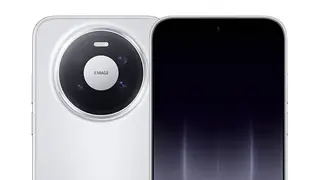
Huawei has officially listed the Mate 90 Air ahead of its November 24 launch, offering two configurations with 12GB RAM and 256GB or 512GB storage. The device is expected to feature a 7-inch quad-curved display, a thickness under 7mm, and a centrally positioned circular camera module with Red Maple imaging technology. It will support 66W fast charging and include a side-mounted fingerprint sensor.
Huawei has officially listed the Mate 90 Air on its online store ahead of a November 24 launch, confirming two memory configurations—12GB RAM with either 256GB or 512GB storage—and three color options: Rose Gold, Moonlight Silver, and Obsidian Black. The device is set to debut at Huawei’s HUAWEI Mate X8 and All-Scenario New Product Launch Event on November 24 at 14:30, with full-payment pre-sales beginning at 18:08 the same day. The phone is expected to feature a 7-inch quad-curved display with equal-depth curves on all four sides, a design that could enhance visual continuity and premium feel. Its most notable physical attribute is a thickness reportedly under 7mm, with leaks suggesting the body starts with the number 6, marking a potential milestone for the Mate series in slimness. The rear camera module is expected to be centrally positioned and circular, housing a triple-camera system with Huawei’s Red Maple imaging technology, while the frame may eliminate plastic antenna breakpoints for a seamless look. Additional features include 66W fast charging with a bundled adapter and a side-mounted fingerprint sensor. The launch coincides with the unveiling of the foldable Mate X8, signaling Huawei’s dual focus on ultra-thin flagships and innovative foldable form factors.
The background reflects Huawei’s ongoing effort to differentiate its premium devices amid global supply chain constraints and competitive pressure. The company has previously emphasized design innovation and imaging technology, as seen in earlier models like the P series and the OSTA O1 Pro, which also feature distinctive camera layouts and advanced optics. The Mate 90 Air’s focus on thinness and display integration may be a strategic move to appeal to users seeking large screens without bulk, particularly in lifestyle and travel contexts where portability is key. Huawei’s goal is likely to strengthen its high-end brand positioning and regain market share in regions where its devices are still popular. However, critical details remain unconfirmed: official pricing, battery capacity, exact camera hardware specs, and full performance benchmarks. The absence of these details means consumer expectations may be shaped more by speculation than verified data, leaving room for potential disappointment or surprise.
The Mate 90 Air could influence consumer expectations around smartphone form factor, particularly in the premium segment where thinness and large displays are increasingly at odds. If the device delivers on its rumored under-7mm thickness with a 7-inch screen, it may set a new benchmark for slim flagship phones, potentially pressuring competitors to innovate in materials or internal design. Travelers and mobile professionals who prioritize portability may find such a device appealing, especially if it maintains strong performance and battery life despite its slim profile. The integration of Red Maple imaging technology could also elevate Huawei’s reputation in mobile photography, possibly affecting how users perceive camera quality in thin devices—challenging the assumption that larger bodies are necessary for better optics. A comparable precedent is Apple’s introduction of the iPhone 6s with a thinner profile and improved camera system in 2015, which reshaped consumer demand for sleeker, more capable devices. However, Huawei’s current market position—particularly in regions outside China—remains constrained by geopolitical factors and limited access to Google services, which may limit the device’s global impact. What to watch for is whether Huawei can leverage this design innovation to reinvigorate interest in its ecosystem, especially if the pricing remains competitive. The success of the Mate 90 Air may also signal a broader trend toward balancing screen size, portability, and performance, influencing future product development across the industry.