DOOGEE Unveils Note70 Smartphone with 1.8-Inch Secondary Display and 6,500mAh Battery
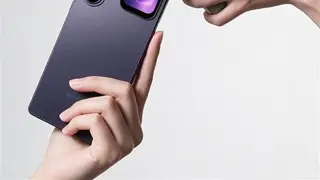
The DOOGEE Note70 features a 6.71-inch main display and a 1.8-inch rear smart display, positioned beside the camera module, offering a distinctive design. It is powered by the UNISOC T7250 processor, runs Android 17, and includes a 6,500mAh battery with three memory configurations available. The secondary display's full functionality remains undisclosed, though it may support notifications, music controls, or other smart features.
DOOGEE unveiled the Note70 smartphone on November 22, 2026, at a time when mainstream manufacturers are refining foldable and high-refresh-rate devices, while DOOGEE is pursuing a niche design with a 1.8-inch secondary display on the rear, positioned beside the camera module. The device features a 6.71-inch main display, a UNISOC T7250 processor, a 6,500mAh battery, and runs Android 17. Three memory configurations are available: 4GB/128GB, 6GB/128GB, and 6GB/256GB. The rear camera setup includes a 13MP sensor, though the exact role of the additional circular components remains unconfirmed. This design echoes DOOGEE’s earlier rugged S200 series, which introduced a 1.32-inch AMOLED rear display, suggesting a deliberate evolution of a concept tested in specialized devices. The company is now extending this feature to its mainstream Note series, signaling a strategic pivot toward distinctive form factors rather than incremental improvements in standard smartphone design. The Note60 W, also powered by the same UNISOC T7250 and battery, shares the same hardware but features a different rear design, indicating a broader product strategy across the Note line. What remains unknown is the full functionality of the 1.8-inch rear display—whether it supports notifications, music controls, widgets, or selfie previews—and the final camera specifications. The official release date and pricing have not been disclosed.
The DOOGEE Note70 could influence consumer expectations around smartphone utility beyond the front screen, particularly among users who value constant access to information without unlocking their device. While not a mainstream innovation, the rear display may appeal to niche markets such as travelers, outdoor enthusiasts, or those seeking unique design statements. This approach mirrors earlier experiments like the LG G8X ThinQ’s dual-screen concept, which failed to gain traction due to limited software integration and high cost—suggesting that DOOGEE’s success may hinge on how well it integrates the secondary display into daily use. If the rear screen proves practical for quick checks or controls, it may inspire other brands to explore similar ideas, especially in budget or rugged segments. However, without clear functionality or software support, the feature risks being perceived as gimmicky. The broader impact may be on how consumers view smartphone design—shifting attention from screen size and resolution to innovative form factors. What to watch for is whether DOOGEE partners with app developers to optimize the rear display, and whether similar designs emerge in other brands’ product lines, particularly in the mid-tier market.