Every MLB Team Gets a Targeted Free Agent Matchup for 2027
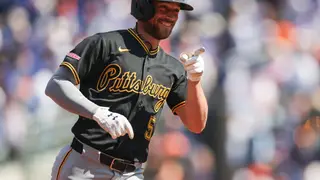
As the 2026-2027 offseason begins, analysts identify one ideal free agent fit for each MLB team, ensuring no player is duplicated across teams. Recent moves include Ryan Jeffers and David Bednar accepting qualifying offers, while Jake Bauers signed with Boston and Sonny Gray returned to the Twins. The focus is on strategic roster building ahead of a potentially uncertain offseason, with key players like Trevor Rogers highlighted as top targets for teams like the Astros.
The 2026-2027 MLB offseason has already seen early moves, with Evan Phillips signing a multi-year deal with the Atlanta Braves after a strong turnaround with the Dodgers, and Jake Bauers agreeing to a four-year, $58 million contract with the Boston Red Sox. Ryan Jeffers and David Bednar accepted qualifying offers, while Sonny Gray returned to the Minnesota Twins. These developments set the stage for a strategic free-agent market where teams are already targeting specific players to fill key roster gaps. In the American League West, the Houston Astros are identified as a prime fit for left-handed pitcher Trevor Rogers, who posted a 3.52 ERA in his second-half 2026 campaign and finished ninth in AL Cy Young voting. The Astros’ rotation, lacking left-handed depth—only four left-handed starts were made in 2026, with a 11.12 ERA—makes Rogers’ addition a logical upgrade. His 2.53 ERA in five September starts and 36 strikeouts in 27 innings highlight his late-season resurgence. Meanwhile, the Los Angeles Angels are seen as ideal for second baseman Gleyber Torres, 30, who played 96 games for the Tigers in 2026 with a 109 wRC+ and defensive metrics showing improvement. The Angels, still rebuilding, seek a short-term veteran to stabilize second base behind the young Vaughn Grissom. The Oakland Athletics are linked to left-hander Foster Griffin, who found success in Japan before returning to MLB in 2026. The team’s need for a reliable lefty in a rotation that has struggled with consistency makes Griffin a compelling option. What remains unresolved is whether these players will actually sign with the teams identified, as contracts are still speculative and subject to market dynamics.
The focus on targeted free-agent fits reflects a broader trend in MLB toward precision roster construction, where teams aim to maximize value through strategic, role-specific signings rather than broad acquisitions. This approach could deepen competitive imbalance if wealthier teams like the Astros or Yankees consistently secure top-tier, niche talent, potentially marginalizing smaller-market clubs. The emphasis on left-handed pitchers, such as Rogers and Griffin, underscores a long-standing imbalance in pitching depth and the ongoing effort to correct it. Comparable to the 2018 offseason, when the Red Sox leveraged targeted moves to win a World Series, this strategy may yield similar short-term success. However, the long-term sustainability of such a model remains uncertain, especially if teams overpay for short-term fixes. The impact on player valuation is also notable—players like Torres, once seen as long-term cornerstones, are now viewed as one- or two-year assets, altering career trajectories. What to watch for next is whether teams will prioritize immediate impact over long-term development, and how the league’s collective bargaining agreement might influence free-agent flexibility in the coming years.