Japanese PM Takaichi Meets Putin in Shenzhen to Demand Release of Detained Journalist
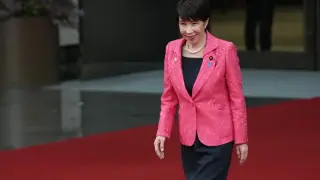
Japanese Prime Minister Sanae Takaichi held her first in-person talks with Russian President Vladimir Putin since 2019 during the APEC summit in Shenzhen. She urged Putin to release Yuki Imai, a detained reporter from the Hokkaido Shimbun, and discussed Japan Tobacco’s operations in Russia. The meeting marked the first direct dialogue between the two leaders since Russia’s full-scale invasion of Ukraine.
On November 18, 2026, Japanese Prime Minister Sanae Takaichi met Russian President Vladimir Putin in Shenzhen during the APEC summit, marking the first in-person meeting between the two leaders since September 2019 and the first since Russia’s full-scale invasion of Ukraine in February 2022. The roughly 30-minute discussion, held after the APEC welcome dinner, centered on two key issues: the detention of Japanese journalist Yuki Imai and the status of Japanese corporate assets in Russia. Imai, a correspondent for the Hokkaido Shimbun, was arrested on October 13 in Sakhalin on allegations of gathering military intelligence, a charge Japan denies. A Moscow court ordered his detention for nearly two months, prompting Tokyo to summon Russia’s ambassador and issue a formal protest. Takaichi reportedly urged Putin for his release, while also pressing for the reversal of a November 5 decree that transferred control of four Japan Tobacco International (JTI) production facilities in Russia to a Russian state-linked entity, Industrial Assets. This move followed a similar September 17 decree that handed over assets of Western firms like Nestlé and Auchan to L.E.V. Management. The meeting was not publicly announced in advance, and Kremlin spokesperson Dmitry Peskov denied witnessing it, casting doubt on its confirmation. The last recorded contact between the leaders occurred on February 17, 2022, when then-Prime Minister Fumio Kishida urged a diplomatic resolution to the Ukraine crisis just days before the invasion. Japan has maintained a stance of strong support for Ukraine, including sanctions, while seeking to preserve dialogue with Moscow on bilateral issues.
The meeting in Shenzhen could signal a cautious effort by Japan to maintain diplomatic channels with Russia despite deepening geopolitical rifts, particularly in the wake of the Ukraine war. While Japan has joined Western sanctions, it continues to seek resolution on specific issues like the journalist’s detention and corporate asset disputes, suggesting a strategy of selective engagement. The case of Yuki Imai may resonate widely in Japan, where press freedom and national dignity are closely tied to the treatment of its citizens abroad. If Imai is released, it could bolster Japan’s diplomatic credibility; if not, it may further strain relations. The broader impact on Japanese corporate interests in Russia remains uncertain, especially as other multinational firms face similar asset seizures. A comparable precedent is the 2014 detention of Japanese journalist Kenji Nagai in North Korea, which also triggered high-level diplomacy and public outcry. Japan may now be testing whether targeted diplomacy can yield results without compromising its broader stance. What remains unclear is whether Putin’s response to Takaichi’s demands will be substantive or symbolic, and whether Japan will escalate pressure if no progress is made. The upcoming G20 summit in Miami may offer another venue for dialogue, but Russia’s participation remains uncertain.