Pete Buttigieg Emerges as Potential 2028 Democratic Presidential Contender
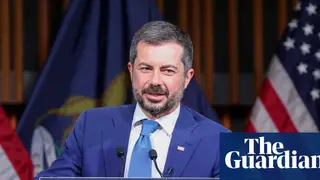
Pete Buttigieg, former transportation secretary under President Joe Biden, is being discussed as a potential unifying candidate for the Democratic Party in the 2028 presidential election. The conversation comes amid speculation about leadership changes in the Senate, with Senator Chris Van Hollen challenging Chuck Schumer for the Senate leadership role. Political analysts, including Marianna Sotomayor of Puck News, are assessing Democrats' efforts to consolidate power ahead of the next presidential cycle.
In November 2026, former Transportation Secretary Pete Buttigieg is emerging as a potential 2028 Democratic presidential contender, according to political analysts and media coverage, including a segment on *Politics Weekly America* hosted by Jonathan Freedland. The discussion centers on Buttigieg’s perceived ability to unify the Democratic Party, particularly amid internal shifts in leadership on Capitol Hill. A notable development is Senator Chris Van Hollen’s challenge to Senate Majority Leader Chuck Schumer for the Senate leadership role, with speculation that the vote could be moved up to help Schumer retain his position. These dynamics are being closely watched as Democrats assess their strategy ahead of the next presidential cycle. Marianna Sotomayor of Puck News is among those analyzing how the party is attempting to consolidate power on Capitol Hill while simultaneously positioning potential presidential candidates. The timing of these leadership debates and the attention on Buttigieg suggest a strategic recalibration within the party, though no formal announcement of a 2028 run has been made. What remains unclear is whether Buttigieg’s national profile, shaped by his 2020 presidential campaign and federal service, will translate into broad electoral appeal, or whether internal party dynamics will favor other figures. The outcome of the Senate leadership contest may also influence the broader political landscape, potentially shaping the party’s legislative agenda and messaging in the run-up to 2028.
Buttigieg’s potential 2028 candidacy could influence Democratic primary dynamics by offering a centrist alternative amid growing ideological divisions within the party. If he emerges as a unifying figure, he may appeal to moderate voters and party establishment figures concerned about electoral viability after recent losses. However, his success would depend on overcoming the perception that his earlier campaign failed to secure a broad base. The Senate leadership contest between Van Hollen and Schumer may also signal deeper internal tensions, with the outcome potentially affecting the party’s legislative strategy and public messaging. A shift in Senate leadership could impact the balance of power on key issues like climate policy, healthcare, and federal spending—areas where Buttigieg has shown interest. This situation echoes the 2016 Democratic primary, when party leaders sought a unifying figure after Hillary Clinton’s narrow loss, though the current context differs in that the party is not yet facing a general election. What may unfold is a gradual consolidation around a candidate who can bridge generational and ideological divides. Observers should watch for formal campaign announcements, polling data, and leadership decisions in the coming months, as these could shape the trajectory of the 2028 race.