Biden Expresses Disappointment Over Pelosi and Schumer’s Push for Him to Exit 2024 Race
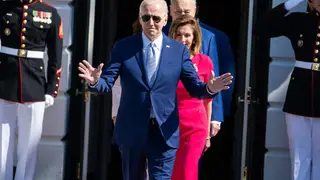
In his new memoir, 'Promise Me, America,' former President Joe Biden reveals he felt deeply disappointed when House Speaker Nancy Pelosi and Senate Majority Leader Chuck Schumer urged him to withdraw from the 2024 presidential race despite his accomplishments in office. He portrays their actions as a disloyal campaign to force his exit, defending his decision to run again and framing the moment as a personal betrayal. The book also reflects on his post-presidency struggles, including health challenges and the lack of widespread Democratic nostalgia for his administration.
In his 2026 memoir *Promise Me, America*, former President Joe Biden recounts feeling deeply disappointed when House Speaker Nancy Pelosi and Senate Majority Leader Chuck Schumer urged him to withdraw from the 2024 presidential race, despite his administration’s accomplishments. The book reveals that this pressure came amid growing concerns within Democratic leadership about Biden’s age and performance, particularly after his June 27 debate appearance, where he mistakenly said “we finally beat Medicare,” a gaffe widely cited as evidence of cognitive decline. At 81 when he exited the race, Biden acknowledges his age was a serious consideration but insists he never failed to meet the demands of office, citing no documented instances of incapacity. The memoir frames Pelosi and Schumer’s actions as a disloyal campaign to force his exit, portraying their push as undermining his leadership despite his record on major legislation like the Inflation Reduction Act—passed after a pivotal Italian dinner arranged by Commerce Secretary Gina Raimondo to reconcile Sen. Joe Manchin with White House Chief of Staff Ron Klain—and his administration’s response to the pandemic, which he calls “one of the most monumental achievements in public health history.” The broader context includes the Democratic Party’s collective trauma over Trump’s 2024 return and the absence of widespread nostalgia for Biden’s presidency, unlike the “Thanks, Obama” sentiment that emerged after the first Trump term. What remains unresolved is whether Biden’s account will influence internal party dynamics or future presidential candidacies, particularly as the 2028 election cycle looms.
Biden’s memoir could deepen divisions within the Democratic Party, especially between older leaders who prioritize stability and younger members seeking generational change. The book may reinforce perceptions of a leadership class reluctant to cede power, potentially fueling internal tensions that could affect future candidate selection. While no comparable moment in recent history perfectly mirrors this dynamic—such as Bill Clinton’s 1996 re-election or Barack Obama’s 2012 campaign—the parallels with how party elites reacted to perceived vulnerabilities in incumbent leaders are notable. The impact on public trust is uncertain; while Biden’s detailed defense of his record may resonate with loyalists, it could further alienate voters skeptical of his cognitive fitness. Financial markets and foreign policy institutions may remain insulated, but the narrative around leadership continuity could influence how future administrations are evaluated. What to watch for next is whether Democratic leaders adopt a more transparent or unified stance on succession planning, and whether Biden’s portrayal of loyalty and betrayal becomes a reference point in internal party discourse.