Northrop Grumman's CRS-25 Mission to Deliver 11,000 Pounds of Supplies to ISS in Upcoming Resupply Flight
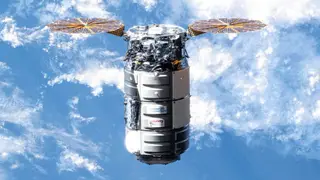
Northrop Grumman's CRS-25 mission, scheduled for November 29, 2026, will deliver approximately 11,000 pounds of cargo and scientific experiments to the International Space Station. The Cygnus XL spacecraft, named S.S. James ‘Jim’ A. Lovell, will launch atop a SpaceX Falcon 9 rocket from Cape Canaveral. After docking with the ISS on December 1, it will remain until May 2027 before deorbiting and burning up in Earth’s atmosphere.
Northrop Grumman’s CRS-25 mission, scheduled for November 29, 2026, will launch the Cygnus XL spacecraft—named S.S. James ‘Jim’ A. Lovell—on a SpaceX Falcon 9 rocket from Cape Canaveral Space Force Station in Florida. The spacecraft will deliver approximately 11,000 pounds of cargo, including scientific experiments, supplies, and equipment for the International Space Station (ISS). After docking with the ISS on December 1, 2026, the Cygnus will remain attached to the Unity module’s Earth-facing port until May 2027, when it will depart loaded with waste and burn up during atmospheric reentry. The mission marks the 25th Commercial Resupply Services flight by Northrop Grumman, continuing a long-standing partnership with NASA and SpaceX. The Falcon 9 booster, designated B1096.9, is expected to perform a controlled return and land at Landing Zone 40, showcasing SpaceX’s reusable launch system capabilities.
This mission builds on over a decade of Cygnus resupply flights, with the spacecraft having delivered more than 169,000 pounds of cargo since its first operational mission in 2014. The experiments onboard focus on medical research, including drug delivery systems for cancer and osteoarthritis, cancer spread modeling, and treatments for muscle atrophy. Additional payloads aim to improve radiation sensing and advance food production techniques—critical for future deep-space missions. The mission reflects NASA’s reliance on commercial partners to sustain the ISS, with Northrop Grumman handling logistics while SpaceX provides launch services. The success of CRS-25 could influence future resupply contracts and underscore the viability of public-private collaboration in space. What remains unresolved is the exact timeline for the next Cygnus mission after May 2027, and whether the ISS’s resupply architecture will evolve as the station’s operational life nears its end.
The CRS-25 mission exemplifies the growing reliance on commercial entities to sustain human presence in low Earth orbit, a shift that could reshape how space infrastructure is maintained. By outsourcing resupply to companies like Northrop Grumman and SpaceX, NASA may be able to redirect resources toward deep-space exploration, such as Artemis missions to the Moon. The mission’s focus on medical and life-support research may accelerate advancements in telemedicine and biotechnology, with potential terrestrial applications in chronic disease treatment and aging. The integration of reusable rockets like the Falcon 9 also underscores a broader trend toward cost efficiency in spaceflight, which could lower barriers for future private space ventures. A comparable precedent is the early 2000s shift from government-led shuttle missions to commercial cargo flights, which similarly reduced costs and increased launch frequency. What may emerge next is a more robust commercial ecosystem around the ISS, including potential private labs or space tourism modules, though long-term sustainability beyond 2030 remains uncertain.