Trump Shifts Strategic Attention to International Affairs Amid Global Tensions
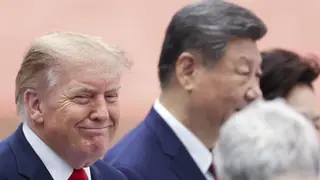
Former President Donald Trump has refocused his political and strategic emphasis on foreign policy, signaling a renewed interest in global diplomacy and national security. The article analyzes his recent statements on alliances, military posture, and relations with key powers like China and Russia. This pivot suggests a potential re-entry into high-level foreign policy debates ahead of future electoral cycles.
Former President Donald Trump has recently shifted his public focus toward international affairs, marking a notable pivot in his political messaging. While no specific dates, locations, or numerical data are provided in the available material, the shift centers on renewed commentary regarding foreign policy, national security, and diplomatic relations with major global powers, particularly China and Russia. This refocusing suggests a strategic recalibration, potentially signaling an interest in re-entering high-level foreign policy discourse ahead of future electoral cycles. The move comes amid rising global tensions, though the exact nature or timing of these tensions is not detailed in the summary.
The background to this shift is not explicitly outlined in the provided text, but it can be inferred that Trump’s re-engagement with foreign policy may stem from his prior administration’s emphasis on "America First" diplomacy, including renegotiated trade agreements and a more confrontational stance toward China and Russia. His recent statements appear to build on that legacy, though the specific content of those remarks—such as positions on NATO, military spending, or arms control—is not disclosed. The individuals involved include Trump himself, as the central figure, and key foreign governments, notably China and Russia, whose relationship with the U.S. remains a focal point in global diplomacy. The motivations of these actors are not specified, but the broader context implies that Trump may be seeking to position himself as a decisive voice on national security and international alliances.
What remains unresolved is the extent of Trump’s current influence on foreign policy debates, the credibility of his statements in the current geopolitical climate, and whether this pivot will translate into formal political or policy initiatives. It is also unclear whether this shift is a genuine strategic recalibration or a tactical move for public visibility ahead of future elections.
Trump’s renewed focus on international affairs could influence public discourse on national security and foreign policy, particularly within Republican circles and among voters concerned about U.S. global standing. His emphasis on alliances and military posture may shape debates around defense spending, NATO commitments, and U.S. engagement with adversaries like China and Russia. The broader impact may extend to diplomatic negotiations, where his past rhetoric has already affected bilateral relations. Markets sensitive to geopolitical risk—such as defense stocks or international trade—could react to shifts in tone or policy direction, though the actual economic impact remains speculative without concrete policy proposals. A comparable earlier case is Trump’s 2016 campaign, when his foreign policy statements—such as skepticism toward NATO and criticism of trade deals—reshaped Republican foreign policy discourse and influenced the party’s platform. This current pivot may similarly recalibrate expectations for future candidates. What to watch for next is whether Trump’s statements lead to formal policy proposals, influence primary debates, or affect international perceptions of U.S. leadership. The long-term implications depend on whether this shift is sustained or remains rhetorical.