Nepal rescue teams battle thick mud to reach over 900 workers stuck in flooded hydropower tunnels
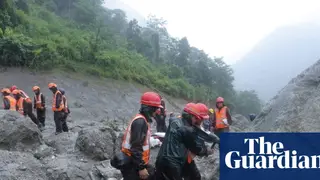
Rescue crews in Nepal are working to reach more than 900 people believed trapped in tunnels of several hydropower projects after catastrophic flash floods struck the region last week. The disaster has killed at least 903 people in Nepal and 16 in Tibet, with thousands more missing. Heavy debris and deep mud are hampering efforts to open the tunnels, according to army officials.
The trapped workers were employed across roughly half a dozen hydropower sites in the flood-hit region. Army officials say massive deposits of debris and mud are the primary obstacle to opening the tunnels. Rescuers have improvised with wooden planks and rope systems to navigate mud that in places reaches chest height. One rescuer described reaching about 130 metres into a tunnel and seeing what appeared to be bodies further inside.
The Red Cross estimates more than 90,000 people may have been affected by the disaster. Nearly 21,000 security personnel are involved in rescue operations alongside civilian volunteers. The prime minister has acknowledged the difficulty of compiling a complete damage assessment. Hundreds of unidentified bodies have been buried in shallow graves after being swept down from the mountains. China and some experts have linked the event to climate crisis effects.
This disaster could reshape Nepal's approach to hydropower development and disaster preparedness, as the loss of hundreds of workers may strain local communities and the construction industry for years. The scale of missing persons could overwhelm recovery and identification efforts, potentially delaying reconstruction. The event may also