Nepal flood disaster highlights glacial lake outburst threat
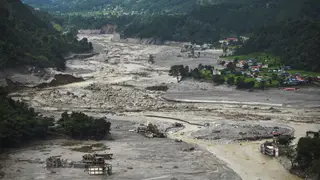
A catastrophic flood triggered by an ice shelf collapse in the Himalayas swept down from the Chinese border into Nepal, raising concerns about glacial flooding linked to climate change. Scientists are investigating whether receding glaciers caused the event, which affected a region known as Asia's water tower. The disaster underscores the need for preparedness and long-term adaptation in mountainous areas.
The flood originated from an ice shelf collapse near the Chinese border, sending water and debris more than 3,000 meters downslope into Nepalese territory. Scientists are now examining whether retreating glaciers—a consequence of rising global temperatures—triggered the destabilization, though confirmation remains pending.
The affected region functions as Asia's water tower, supplying freshwater to hundreds of millions across the continent. This disaster has prompted discussions among experts about emergency preparedness and long-term adaptation strategies for mountainous communities facing increasingly volatile glacial conditions.
This disaster could reshape how Himalayan nations approach infrastructure planning and early-warning systems, particularly for downstream communities in Nepal, India, and China. As glacial lakes expand with warming temperatures, the frequency of outburst floods may increase, potentially displacing populations and disrupting water supplies across the region. Governments may need to prioritize cross-border monitoring and evacuation protocols, though resource constraints could limit implementation in poorer mountain states.