Himalayan Glacier Collapse Triggers Catastrophic Flooding, Over 1,000 Confirmed Dead
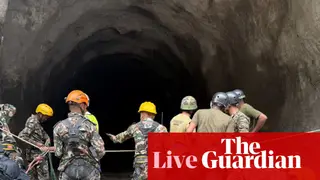
A massive glacier break in Nepal's Langtang national park on August 26 unleashed a torrent of water and mud, devastating villages and infrastructure across Nepal and Tibet. The death toll has surpassed 1,000, with nearly 4,500 people still missing, including hundreds of hydropower workers feared trapped in mud-filled tunnels. Rescue teams face difficult terrain and high waters, with hopes fading for survivors as the critical 72-hour window has passed.
The disaster originated when a massive glacier section broke loose in Langtang national park, sending a wall of water and mud through river valleys. The flood destroyed entire villages and critical infrastructure, including power stations, roads, and bridges across Nepal and Tibet. Authorities have resorted to mass burials as morgues overflow with unidentified victims.
Rescue operations now center on twelve hydropower projects along the Trishuli River, where hundreds of workers remain unaccounted for. Army engineers have begun blasting operations at the Upper Trishuli site to reach 42 missing workers, though debris deposits complicate tunnel access. Approximately 250 workers were rescued over the weekend, but the 72-hour survival window has passed.
This disaster could reshape infrastructure planning across the Himalayan region, particularly for hydropower projects built in vulnerable valleys. The loss of hundreds of workers may prompt stricter safety regulations and risk assessments for such facilities. Communities dependent on these rivers for livelihoods and energy could face prolonged disruption, while the scale of missing persons may strain local governance and disaster response systems for months.