Apple's leadership transition begins as Ternus takes over from Cook
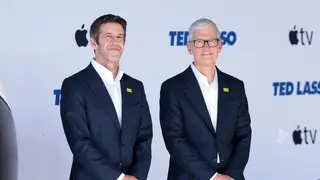
John Ternus officially became Apple's CEO on September 1, succeeding Tim Cook, who will remain as executive chairman. Ternus inherits a company navigating AI-driven component shortages and a complex economic landscape, with several longtime executives like Phil Schiller also stepping back. His first major test comes at the September 9 hardware event, where new iPhones, including a foldable model, are expected.
Ternus steps into the role at a moment when Apple's supply chain is strained by the AI boom, which has driven up demand for memory components like RAM. He also inherits a shifting executive roster, with Phil Schiller relinquishing his App Store duties and other veterans of the Jobs-Cook era departing.
The September 9 hardware event will serve as Ternus's public debut, with expectations centering on new iPhone models, including a foldable "Ultra" variant. Cook's farewell message emphasized the company's culture, suggesting a handoff intended to preserve continuity even as the leadership era changes.
This leadership shift could reshape how Apple navigates the intersection of AI demand and hardware production, potentially affecting consumers through pricing or product availability. Ternus's approach may also signal a generational change in product strategy, with the foldable iPhone possibly defining Apple's next chapter. For investors, employees, and the broader tech industry, the transition brings both uncertainty and the prospect of renewed innovation.