Wildfire scars turned a routine monsoon flood into a deadly Grand Canyon disaster
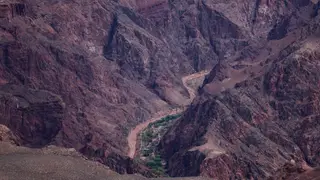
A flash flood in the Grand Canyon on Saturday killed at least two people and left one missing. The flood struck Bright Angel Canyon, an area with a footpath and critical water infrastructure. Wildfire burn scars from 2025 likely intensified the flood by adding debris and sediment, making the water denser and more destructive.
Expanded Detail
EXPANDED:
The flood arrived during a typical monsoon storm, but burn scars from the 2025 Dragon Bravo and White Sage fires above Bright Angel Canyon made conditions worse. Those scars supplied sediment and debris, thickening the water so it could carry heavier logs and boulders than a normal flow would manage.
The Transcanyon
Expanded detail and Context are AI-generated analysis; the linked article remains the authoritative source.
Related stories
Grand Canyon flood kills one, search for missing continues · Research & academia
Cascading Hazards Explained in Wake of Nepal Flood Disaster · Research & academia
This summary is AI-generated and original to Mobble; the linked article is the authoritative source.
Original headline: “Why the Grand Canyon flash flood was so devastating.” Browse more stories.