Rapid high-altitude warming heightens risk of catastrophic slope collapses
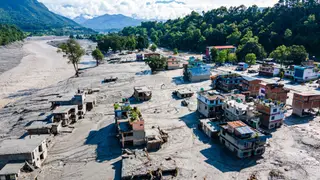
A recent flash flood in Nepal was triggered by a massive landslide that carried glacier ice and rock into a valley, not a simple glacier detachment. Researchers say warming in mountainous regions thins glaciers and degrades permafrost, which destabilizes slopes and increases the likelihood of similar disasters. They warn that such events are expected to become more frequent as global heating continues.
The disaster involved a slope collapse carrying glacier ice and rock, not a simple glacier detachment. Satellite imagery revealed the entire slope gave way, with the falling material landing on ice left by retreating valley glaciers, which likely supplied much of the floodwater. Researchers note the region’s glaciers have thinned dramatically since the 1970s, and retreat rates accelerated after 2000. Smaller, steep-slope glaciers are fragmenting and disconnecting from larger valley glaciers, leaving many perched precariously high up.
Elevation-dependent warming—roughly three times the global average—is driving these changes. Thinning glaciers reduce support for rocky slopes (debuttressing), while degrading permafrost weakens the “glue” holding slopes together. The same pattern affects mountainous regions worldwide, making similar catastrophic landslides and floods increasingly likely as heating continues.
This event could signal a broader shift in mountain hazard patterns, affecting downstream communities, infrastructure, and water resources. As warming destabilizes slopes, regions reliant on glacial valleys for hydropower, tourism, or settlement may face heightened risk of sudden floods and debris flows. Early warning systems and land-use planning could become more critical, though the unpredictability of such collapses may strain local preparedness and international response efforts.