Nepal conducts mass burials as flood victims remain unidentified
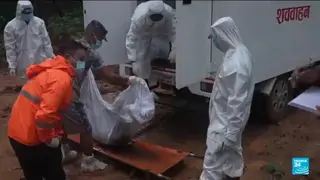
Authorities in Nepal have begun burying unidentifiable bodies recovered after catastrophic flooding, as morgues in major cities reach capacity. Many remains are decomposed, and daily recoveries continue. The burials are taking place in sites like Bharatpur in southern Nepal.
The mass burial initiative in Bharatpur reflects the overwhelming scale of Nepal's flood disaster, where morgue capacity in major cities has been exhausted. Corpses recovered days after the catastrophe have reached advanced decomposition, making formal identification impossible. Authorities have shifted to expedited burial procedures as recovery operations continue to yield new remains daily.
The flooding, attributed to a glacier collapse and massive landslide in the Himalayas, has claimed over 950 lives across Nepal and China. Rescue teams are simultaneously navigating mud-swamped tunnels where hundreds of hydropower workers remain missing, compounding the humanitarian crisis with ongoing search efforts.
This crisis could strain Nepal's disaster management systems and public health infrastructure for weeks, as unidentified remains complicate grieving and legal processes for families. The scale of loss may also pressure regional cooperation on transboundary water management and glacier monitoring, given the Himalayan context shared with China. Communities dependent on hydropower and river valleys face prolonged economic disruption, while the psychological toll on survivors and rescue workers could persist long after recovery operations conclude.