Nepal flood victims identified through DNA as morgues overflow
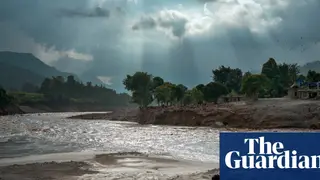
Authorities in Nepal are urging relatives of flood victims to provide blood samples for DNA identification, as morgues overflow and hundreds of bodies are buried. Among those seeking answers is 19-year-old Prakrit Gurung, who hopes to match her DNA with her missing mother. The death toll has surpassed 1,000, with nearly 4,000 people still unaccounted for, including 38 Australians.
The DNA identification effort has become a critical tool as Nepal’s overwhelmed morgues force rapid burials. Army officials report that dozens of relatives arrive daily at the hospital collection site, with numbers rising from 37 on the first day. Many families, including those of 25 missing Australians, have urged their governments to accelerate repatriation and on-the-ground rescue operations.
In the remote upper Rasuwa district, entire villages remain cut off along the Chinese border, a week after the disaster. Lhakpa Gha, who lost seven relatives, said the army has not reached her village of Timure, citing high-risk conditions. Around 200 survivors are sheltering in a Kathmandu monastery, many having witnessed loved ones swept away from higher ground.
This disaster could deepen psychological trauma for thousands of families facing prolonged uncertainty over missing relatives, while straining Nepal’s already limited forensic and burial infrastructure. The international dimension, with dozens of foreign nationals affected, may pressure governments to improve cross-border disaster response and early-warning systems. Long-term, such events could reshape how vulnerable mountain communities plan for flash floods, though immediate needs for identification and closure remain paramount.