Nepal flood victims' relatives search morgues as bodies accumulate
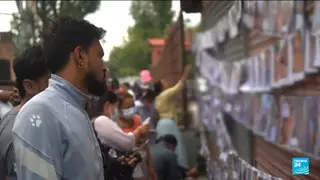
In Nepal, hope for finding flood survivors is fading as morgues reach capacity. Authorities are beginning to bury remains after collecting DNA samples and assigning identification numbers. Families of the missing are visiting hospitals and reviewing photos of unidentified bodies in a desperate search.
The disaster has overwhelmed Nepal's medical infrastructure, with morgue facilities at Kathmandu University Hospital unable to accommodate the rising number of casualties. Officials have shifted to a systematic identification process, collecting DNA samples and assigning reference numbers before burial, allowing families to potentially locate remains at a later date.
Relatives of the missing continue a grim circuit through hospitals, checking survivor lists and examining photographs of unidentified victims. A separate report notes mass burials are underway as floodwaters continue depositing bodies downstream, compounding the challenge of reuniting the dead with their families.
This tragedy could strain Nepal's disaster-response systems for months, as families face prolonged uncertainty while waiting for DNA matches. The identification process may overwhelm already limited forensic resources, potentially delaying closure for hundreds of households. Communities along flood-affected waterways could experience lasting psychological and economic effects, while the government's burial procedures may raise questions about cultural sensitivities and the long-term ability of families to properly honor their deceased.