Ancient volcanic rocks show water reached Earth's mantle over 3 billion years ago
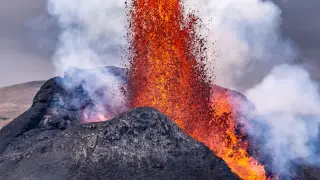
Geologists analyzed rocks from Western Australia's Pilbara Craton and found evidence that water had traveled deep into the mantle more than three billion years ago. They propose a process called 'dripduction' in which water-rich crust sank into the mantle, generating magma and volcanic eruptions. This suggests Earth's water cycle operated earlier than previously thought, even before modern plate tectonics.
The Pilbara Craton in Western Australia is one of only a few places on Earth where crust from the Archean eon has survived relatively unaltered, making it a key natural laboratory for studying the planet's formative period. The rocks analyzed contain chemical signatures that record the influence of water during their formation, providing geologists with a direct glimpse into deep-Earth processes that occurred over three billion years ago.
The proposed "dripduction" mechanism offers an alternative to modern plate tectonics for explaining water transport into the mantle. In this model, dense, water-saturated sections of crust would founder and sink into the hotter mantle below, releasing their water to trigger melting. This process could represent an early form of the recycling that plate tectonics performs today, suggesting a continuum of planetary evolution.
This finding could reshape scientific timelines for when Earth's deep water cycle began, potentially influencing models of early continent formation and the conditions that preceded life. If water recycling occurred this early, it may suggest habitable environments existed sooner than assumed, which could inform how scientists search for life on other rocky planets. The research may also refine our understanding of volcanic hazards, though its primary impact is on fundamental geoscience.