First European Diplodocus fossils hint at Jurassic land bridge migration
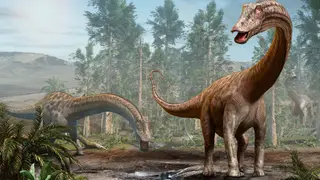
Paleontologists have discovered Diplodocus fossils in Spain, marking the first time remains of this iconic sauropod have been found outside North America. The find suggests the long-necked dinosaur may have crossed a land bridge connecting continents during the Jurassic period. This discovery could reshape scientific understanding of how these giants dispersed across ancient landmasses.
The discovery marks the first time Diplodocus remains have been identified outside North America, where the sauropod has long been considered endemic. Paleontologists working in Spain recovered fossils that place the genus in Europe during the Jurassic period, challenging the assumption that these giants never crossed oceanic barriers.
Researchers now hypothesize that temporary land connections may have allowed Diplodocus to disperse between continents. Such bridges could have emerged during periods of lower sea levels. If confirmed, the migration route would revise current models of sauropod biogeography, suggesting these animals were more mobile across ancient landmasses than previously believed.
This discovery could reshape how paleontologists model dinosaur dispersal and continental connections during the Jurassic. If land bridges enabled Diplodocus to reach Europe, other species may have followed similar routes, potentially revising evolutionary timelines. The find may also influence museum exhibits and educational materials, as the iconic sauropod's range expands beyond its classic North American association. For the public, it offers a tangible example of how Earth's shifting geography shaped prehistoric life.