Cryptic frog species identified in Amazonian floodplain forests
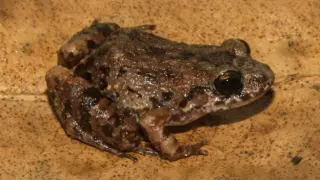
Researchers have described a new frog species, Adenomera varcena, from seasonally flooded forests in the western Amazon, distinguishing it from look-alike relatives through DNA analysis and its unique vocalization. The discovery underscores the prevalence of cryptic diversity, where outwardly similar animals are actually separate species. The finding also carries implications for conservation in a region facing habitat loss and climate change.
The discovery emerged from field surveys in the Upper Juruá River region of western Acre, where researchers examined forest fragments near the Moa and Crôa rivers. The species name references the floodplain environments that submerge seasonally, and this habitat association is unusual since Adenomera frogs typically inhabit dryland forests.
Beyond its DNA signature, the frog lacks a dark spot on the underside of its forearm and produces a short, slow-rhythmed call. The study, published in Ichthyology & Herpetology, involved researchers from São Paulo State University and the Federal University of Minas Gerais, both affiliated with the CBioClima research center.
The identification of Adenomera varcena could sharpen conservation planning in the western Amazon, where floodplain habitats face pressure from deforestation and shifting climate patterns. Because cryptic species are easily overlooked, this discovery may prompt researchers to reassess population estimates and habitat protections for similar frogs. It could also influence how funding agencies prioritize biodiversity surveys, potentially leading to more DNA-based assessments in regions where visual identification alone has proven insufficient.