Trump administration narrows Endangered Species Act protections by redefining key legal terms
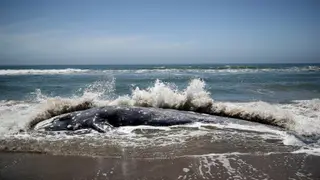
The U.S. Fish and Wildlife Service now allows the accidental killing of federally protected animals, arguing that unintentional deaths do not constitute a 'take' under the Endangered Species Act. Additionally, the agency no longer considers habitat destruction as 'harm' to listed species, a move that weakens protections for thousands of animals. Legal experts expect court challenges, noting that the reinterpretation contradicts decades of established practice and could open the door to unchecked industrial activity in sensitive habitats.
The reinterpretation centers on two terms — "harm" and "take" — that have anchored the Endangered Species Act since 1973, a law credited with recovering bald eagles, manatees, and humpback whales. The northern spotted owl illustrates the shift: after its 1990 listing, logging its forest habitat was considered illegal "taking." Now, the agency argues felling a tree isn't a take of roosting bats unless cut specifically to kill them.
Nearly two dozen states have already sued over related changes, with more lawsuits from environmental groups expected. The memo was signed by Fish and Wildlife Service director Brian Nesvik, and attorneys from Defenders of Wildlife and the Natural Resources Defense Council have criticized the interpretation as contradicting five decades of established practice.
This reinterpretation could significantly affect industries operating in sensitive habitats, including logging, mining, and shipping, by removing legal liability for accidental wildlife deaths. Conservation groups and state governments may face a lengthy court battle to restore protections, while endangered species could face increased pressure from industrial activity. The outcome may ultimately shape how the Endangered Species Act is enforced for years to come, affecting both wildlife recovery efforts and the regulatory landscape for businesses nationwide.