Lunar Reconnaissance Orbiter discovers record-breaking new impact crater on the Moon
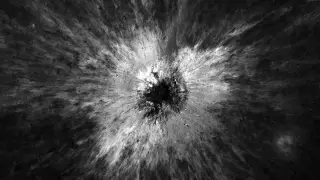
NASA's Lunar Reconnaissance Orbiter has identified a 728-foot-wide crater that formed on the Moon in 2024, the largest newly formed crater ever found in the solar system. The impact disturbed the surface for miles, creating a large cold zone and demonstrating how a single collision can reshape the lunar landscape.
The crater, named McGetchin, was first spotted in wide-angle images before sharper Narrow-Angle Camera views confirmed its scale. It formed between April and May 2024, likely from an object the size of a small building. Researchers estimate such a large impact occurs on the Moon only about once per century, making this a rare event. LRO has cataloged over 1,000 new craters and roughly 100,000 surface changes during its 17-year mission, but none rival McGetchin’s size. The impact also created a broad cold zone, as ejected material disrupted the surface’s thermal properties for miles.
This discovery could sharpen predictions of impact risks for future lunar missions and infrastructure, as even rare collisions can dramatically alter terrain. It may also influence how scientists calibrate cratering rates used to date planetary surfaces across the solar system. For commercial and governmental operations planning permanent bases, such events underscore the need for resilient designs and monitoring, though the century-scale frequency suggests immediate hazards remain low.