Mapping migrant deaths near border surveillance towers: methodology explained
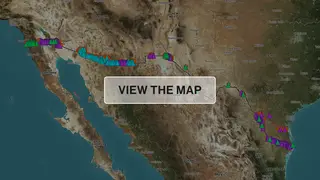
MIT Technology Review and Times of San Diego conducted a 15-month investigation into deaths near border surveillance towers. They analyzed nearly 4,000 migrant death locations against data on about 600 towers. The methodology involved reviewing government documents, site visits, and interviews with over 45 people.
The project combined pre-existing datasets from humanitarian and advocacy organizations with original records obtained from more than a dozen government agencies. Texas proved the most difficult state to cover because it lacks a centralized death-records system, leaving individual counties responsible for investigations. The team identified 17 relevant counties and filed requests with local justices of the peace, though some requests remained unanswered for over a year.
Each case was included only if researchers could verify that the person was likely crossing the border, the location of remains, and an approximate time of death. The analysis spans cases from 2015 onward, covering multiple presidential administrations and generations of tower technology. Interviews drew on perspectives from White House advisors, Border Patrol agents, sheriffs, medical examiners, humanitarian volunteers, and technology company employees.
This investigation could prompt closer scrutiny of whether border surveillance systems deliver their promised benefits. If deaths occur within sight of towers designed to enable rapid response, agencies may face questions about operational effectiveness and accountability. The findings could influence how policymakers weigh technology investments against humanitarian outcomes, and may provide families and advocates with clearer information about circumstances surrounding migrant deaths. Border communities and technology contractors could also feel ripple effects as public discourse around surveillance expands.