Billions spent on border AI surveillance fail to save lives
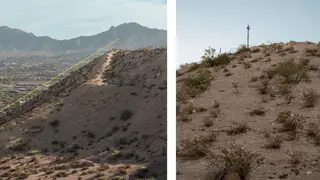
An investigation into the US border's 'virtual wall' found that people have died within view of AI-enabled surveillance towers. The system, built by Anduril, failed to detect or respond to a man who died 360 feet from a tower. The investigation mapped nearly 4,000 deaths and found systemic failures.
The investigation cross-referenced roughly 4,000 recorded locations of human remains against nearly 600 surveillance towers identified by the Electronic Frontier Foundation, comparing installation dates with death timelines. The "virtual wall" concept spans 25 years and includes not only Anduril's AI-equipped towers but also blimps, drones, seismic sensors, and tunnel-detecting robots, all intended to provide persistent border visibility. In Morales's case, landfill employees spotted him twice before Border Patrol was called, and agents arrived 45 minutes after that call—too late to intervene.
This reporting could reshape public and congressional scrutiny of border technology spending, potentially influencing future budget decisions. Families of deceased migrants may gain grounds for accountability claims, while border communities could see renewed debate over whether surveillance investments truly address humanitarian needs. The findings may also pressure CBP to reassess alert protocols and response times, though systemic change would likely require sustained political will.