Recommendations to fix US border surveillance failures
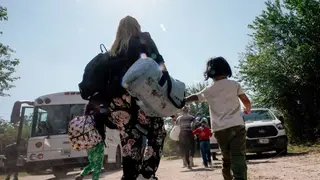
The investigation found systemic flaws in the border surveillance network, including broken towers and unresponsive agents. The article proposes four actions for Customs and Border Protection, including a comprehensive audit of deaths near the towers. The US is set to spend $1 billion to triple the virtual wall's size by 2034.
The investigation documented more than 1,050 deaths near surveillance towers, though researchers acknowledge this undercounts the true figure since the government operates roughly 800 towers while only about 600 could be verified. CBP has never published a comprehensive map of its virtual wall, forcing journalists to rely on satellite imagery and nonprofit mapping efforts.
The agency has possessed the capability to audit tower effectiveness and correlate deaths since 2015, when it began deploying the current generation of surveillance systems. Defense contractor Anduril, which builds the newest towers, continues securing major federal contracts as the government prepares to triple the network's footprint with $1 billion in funding through 2034.
This investigation could pressure CBP to reform its oversight practices, potentially affecting how federal funds are allocated for border technology. Communities along the border may face renewed scrutiny of surveillance programs that claim to enhance security while failing to prevent deaths. The findings could also influence public debate about whether AI-enabled monitoring systems justify their cost when basic infrastructure remains broken.