Roman Space Telescope's wide-field camera passes initial activation
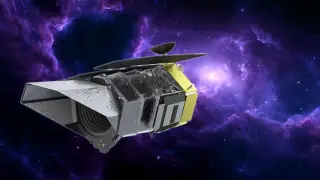
NASA has successfully powered up the Wide Field Instrument on the Nancy Grace Roman Space Telescope, a 300-megapixel infrared camera. The coronagraph also completed early system checks. The telescope is on its way to L2 and is expected to begin science operations in 2027.
The Wide Field Instrument required a careful cool-down before activation. After a 10-day decontamination period, engineers shut off its heater on September 11, allowing the detectors to reach minus 225 degrees Fahrenheit. Only then could the 18 infrared detectors—collectively about the size of a laptop screen—be safely powered on. Test data was transmitted back to Earth the following morning.
Engineers then tested the element wheel, which holds filters and prisms that separate light into individual wavelengths. This marked the first time the mechanism operated without gravity. By Sunday, the focusing mechanism was also being checked, a system essential for keeping Roman's hundreds of thousands of planned images sharp.
Roman's successful activation could reshape how scientists study dark energy, exoplanets, and cosmic structure on a massive scale. Its wide-field surveys may accelerate discoveries that previously required years of telescope time, potentially benefiting researchers worldwide who rely on public datasets. Society could also gain renewed public interest in space science, inspiring students and reinforcing the value of large-scale scientific collaboration.