Neural stem cell transplants repair stroke-damaged brains in mouse model
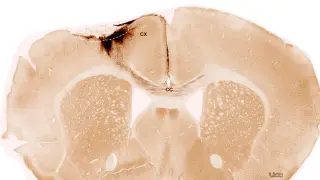
Researchers at the University of Zurich transplanted neural stem cells into mice after stroke, leading to generation of new neurons and recovery of motor function. The treatment also improved blood vessels, reduced inflammation, and repaired the blood-brain barrier. The results suggest a potential regenerative approach for human stroke patients.
The transplanted cells were derived from induced pluripotent stem cells, created by reprogramming ordinary human somatic cells back to a flexible state. Researchers induced permanent strokes in mice designed to mirror key features of human stroke, then delivered the cells directly into damaged brain regions one week later. Over five weeks of observation, most transplanted cells matured into neurons that formed functional connections with existing brain circuitry—a critical requirement for restoring behavior, not merely increasing cell counts.
Beyond neuron replacement, the treatment triggered broader repair processes: improved blood vessel function, reduced inflammation, and restoration of the blood-brain barrier. Because roughly half of stroke survivors face lasting disability and no current therapy can rebuild lost tissue, these findings represent a meaningful step toward regenerative approaches, though human application remains distant.
If these findings translate to humans, stroke rehabilitation could shift from managing disability toward actively rebuilding damaged tissue. The roughly one in four adults who experience stroke—and the half left with lasting impairments—could potentially regain motor function through cell-based therapy. However, significant hurdles remain, including immune rejection, long-term safety, and whether human brains respond like rodent models. This research may eventually offer new options for millions affected annually, but clinical application is likely years away.