Massive genomic study traces bat origins to Europe, overturning prior theories
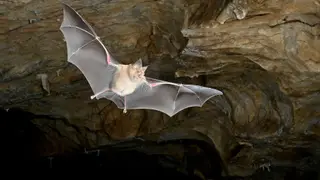
A new analysis of 103 bat genomes and 44 fossils suggests bats first evolved in Europe about 65 million years ago, contradicting earlier hypotheses of Asian, African, or North American origins. The study also indicates that echolocation and true flight appeared early in bat evolution, around 50 million years ago, rather than arising multiple times later. This research provides a robust family tree for bats, resolving decades of conflicting findings.
The Bat1K consortium, involving 137 researchers, generated fresh genome assemblies for 41 species and combined these with 62 existing sequences. The dataset spans all 21 recognized bat families and includes unusual species such as the tiny bumblebee bat and Madagascar's sucker-footed bat, which uses suction cups to grip smooth surfaces.
The revised timeline places bat origins in Europe roughly 65 million years ago, with echolocation and powered flight emerging about 50 million years ago as early developments rather than later innovations. This contradicts earlier proposals of Asian, African, or North American beginnings and resolves long-standing disagreements among researchers about the group's evolutionary history.
This research could reshape how scientists approach mammalian evolution, offering a clearer framework for studying flight and sensory adaptations. Conservation efforts may benefit, as a robust family tree can help prioritize protection for genetically distinct bat lineages. Public perception of bats as ancient, highly specialized mammals might also shift, potentially reducing stigma. However, the practical societal effects will depend on how researchers and policymakers apply these findings in future studies and habitat management decisions.